Symposium on International Law Method
(Documents and Materials)
Students of International Law and International Relations who are taking a course on " International Law Metodology" are invited to download this document which is taken from the American Journal of International Law.
Sunday, June 13, 2010


Friday, March 12, 2010
Writing PhD Thesis
Writing PhD Thesis
Documents and Materials
______________
This page will lead PhD stidents to academic resources and materials useful for writing a thesis.
In order to retrieve and download the materials Click Here.
Documents and Materials
______________
This page will lead PhD stidents to academic resources and materials useful for writing a thesis.
In order to retrieve and download the materials Click Here.
Thursday, March 11, 2010
Political Methodology
Political Methodology
Documents and Materials
______________________
This page cintains the following Documents and materials gathered for PhD students in Political Science who are taking the course Political Methodology.
- Comparative Political Analysis pdf
- Realism and Methodology in Political Science pdf
- Political Science Methodology and the Romance of Research pdf
In order to retrieve these materials from the main file Click Here
Documents and Materials
______________________
This page cintains the following Documents and materials gathered for PhD students in Political Science who are taking the course Political Methodology.
- Comparative Political Analysis pdf
- Realism and Methodology in Political Science pdf
- Political Science Methodology and the Romance of Research pdf
In order to retrieve these materials from the main file Click Here
Methodology of International Law
Methodology of International Law
( Documents & Materials)
_________

This page contains the following Documents and Materials gathered for the use of my PhD students in International Relations who are taking the course " Methodology of International Law."
In order to retrieve materials from the main file click here.
روش شناسی حقوق بین الملل
(دایره المعارف حقوق بین الملل)
کریستین دومینیکه
تحقیق برای درس اصول حقوقی ناظر بر روابط بین الملل
استاد علی اصغر کاظمی
مترجم: مرتضی محمدزاده
(دانشجوی دکتری روابط بین الملل)
مقاله حاضر ترجمه قسمتی از دایره المعارف حقوق بین الملل تحت عنوان «روش شناسی حقوق بین الملل» می باشد که «کریستین دامینیکه» آنرا نوشته و سعی کرده که روش های شناخت علمی حقوق بین الملل را نشان دهد. وی این روشها را در یک تقسیم بندی کلی به لحاظ هدف و موضوع شناخت، به دو نوع عام و خاص تقسیم کرده است. در هر یک از این دو نوع شناخت ، جایگاه روش های جامعه شناختی و استدلالهای منطقی را بررسی کرده و معتقد است این دو روش همپوش(Overlap) هستند و هر وقت با هم هماهنگ گردند دستیابی به تحلیل جامع نظام حقوق بین المللی و تشریح مشخصه های آنرا فراهم می سازند. نویسنده در پی آن است که ترکیبی از عناصر استقرایی و استنتاجی – مشاهده تجربی و استدلال منطقی، روش علمی برای تحلیل نظام مند از سیستم حقوقی بین المللی را عرضه می کنند
1-مقدمه:
تعریف
هیچ تعریفى از روششناسى حقوق بینالملل وجود ندارد كه از پذیرش عمومى برخوردار باشد.در این مقاله، مفهومى از متدلوژى در نظر گرفته مىشود كه شامل هر دو معناى موسع یا عام، و مضیق یا خاص آن بشود.در معناى عام شناخت، روشهایى مورد نظر است كه در تحصیل شناختى - علمى از نظام حقوقى بینالمللى مورد استفاده قرار مىگیرد و در معناى مضیق یا خاص، مقصود شناخت روشهایى است كه براى تعیین وجود هنجارها یا قواعد حقوق بینالملل به كار مىآیند.ارتباط این دو مفهوم بدیهى است، چون نظام حقوقى به مجموعهاى از قواعد حقوقى به همپیوستهاى تعریف مىشود كه كل آن نظام را تشكیل مىدهد، حال آنكه یك هنجار حقوقى با رجوع به نظام حقوقىاى كه به آن تعلق دارد و از آن نشات مىگیرد، به این وصف شناخته مىشود.این روشها به حوزه دانش حقوقى تعلق دارند، نوع اخیر اغلب به عنوان یك دانش هنجارآفرین وصف مىشود، اما در واقع چنین نیست.حقوق خود هنجارآفرین است; زیرا آنچه را باید باشد مقرر مىكند، اما دانش حقوقى، همانند هر دانش دیگر، هدفش تحصیل شناخت است، موضوعش مطالعه قواعد و بهطور عام پدیده حقوقى است، لیكن یك دانش هنجارساز نیست.
2 - روش علمى كار
الف) آموزههاى مختلف حقوق بینالملل حاوى مفاهیمى كلى است كه بهطور عموم اصولى از آنها ناشى مىشود كه مبناى تعیین هنجارهاى حقوقى است.در این متن، ما تنها به روشهاى تحلیل نظام حقوقى بینالمللى مىپردازیم.
ب) نخستین روش عبارت از «مشاهده» - فارغ از هر پیشپندارى - است.
این مربوط به روش جامعهشناختى است كه حقوق را پدیدهاى اجتماعى تلقى مىكند.ما مىتوانیم درون چارچوب جامعه بینالمللى، كه ساختار اساسىاش بر تكثر دولتهاى برخوردار از حاكمیت است، نظامى از قواعد حقوقى را مشاهده كنیم كه با این وصف تعبیر و شناخته شدهاند.این حكم با درك این مطلب تقویت مىشود كه نوعى اعتقاد حقوقى (opinio juris) جمعى وجود دارد، باورى كه مىگوید، حقوق بینالملل موجود است و دولتها نمىتوانند بدون آن عمل كنند.نیازى نیست در پى یك مبناى نظرى براى توجیه این ادعا باشیم كه از صرف مشاهده واقعیت نتیجه مىشود و با این قاعده بیان مىگردد كه «هر جا جامعهاى هستحقوق نیز هست» [ubi societas ibi jus] .
روش تجربى، همچنین، به ما اجازه مىدهد تا نتیجه بگیریم كه حقوق - یا بهطور دقیقتر، ایده حقوق - مخلوق ذهن آدمى و توجیه عقلانى مبتنى بر درك نیازهاى اجتماعى است.در این مرحله است كه ما به محدودیتهاى روش تجربى مىرسیم.
ج) حقوق، نیاز جامعه را به سازماندهى و تنظیم برآورده مىكند.
بنابراین، استدلال منطقى نیز - كه در سطحى بالاتر از سطح فنون شكلى حقوقى قرار دارد - به عنوان یك روش تحلیلى به كار گرفته مىشود و نتایج آن به وسیله روش تجربى به اثبات مىرسد، اما این استدلال منطقى است كه آن ایدهها راتایید مىكند و تركیبهایى را فراهم مىكند كه دستیابى به نظریهاى كلى را درباره یك نظام حقوقى ممكن مىسازد.این استدلال، شخص را به جستجوى روشهاى شكلگیرى هنجارهاى حقوقى و عقلانىكردن این روشها رهنمون مىسازد.همچنین استحاله منطقى قاعده حقوقى فاقد موضوع را روشن مىكند و از این رو مفهوم موضوعات قواعد حقوقى را توسعه مىدهد.مصادیق دیگرى از این دست مىتوان ارایه كرد، اما موارد یادشده براى بیان شیوه استدلال منطقى معمول در ایده حقوق كافى است.
د) بنابراین مشاهده تجربى و استدلال منطقى دو روشى است كه هرگاه هماهنگ گردند، امكان تحلیل نظم حقوقى بینالمللى و تشریح ویژگیهاى آن را فراهم مىسازد.در اینجا نتایج این تحلیل مورد ملاحظه و بررسى قرار نمىگیرد زیرا ما تنها به روششناسى مىپردازیم و براى آنكه روششناسى علمى باقى بماند، باید مفاهیم جزمى پیشپنداشته و قضایاى ثابتنشده را كنار بگذاریم.
3 -روش شناسى در معناى محدود
الف) روشهایى كه قرار است معرفى شود، از روشهاى درونحقوقى - كه براى تعیین قواعد مختلف حقوق مورد نظر است - متمایز است.براى مثال، یك قاضى باید این روشها را - براى تعیین قواعدى كه مىخواهد در یك پرونده خاص اعمال كند - به كار گیرد.او باید نخست وجود این قواعد و سپس محتواى آنها رامشخص كند.این روششناسى متمایز است از نظریه حقوق بینالملل، كه موضوعش نظام حقوقى بینالمللى همراه با مبانى و ساختار آن است، لیكن این تمایز و جدایى مطلق نیست.
ب) روشهاى مورد استفاده براى تشخیص وجود قواعد، در واقع، گاهى با مفهوم كلى جنبههاى بنیادین نظام حقوقى بینالمللى رابطه تنگاتنگ دارد.بنابراین، براى مثال، مكتب هنجارگرا (نرماتیو) چنین تلقى مىكند كه هر هنجار حقوق بینالمللى، به واسطه استنتاج منطقى از هنجار پیشین ناشى مىشود.
ج) روشهاى تعیین قواعد حقوق بینالملل باید همچنین از روشها و فنون اعمال هر قاعده در یك قضیه مشخص، متمایز گردد.هر قاعده حقوق بینالملل هنگامى اعمال مىگردد كه از پیش شناخته شده باشد و وجودش به اثبات رسیده باشد.با وجود این در اینجا نیز تمایز بى چون و چرا نیست و برخى نقاط تلاقى وجود دارد.براى مثال، در یك مورد خاص ممكن است جستجوى یك قاعده قابل اجرا به مساله تمثیل یا مساله فقدان قواعد حقوقى مناسب منجر شود، این مسائل در مرز میان تشخیص قواعد حقوقى و اعمال آنها قرار دارد.
د) روششناسى حقوق بینالملل به معنایى كه اینجا بیان مىشود، به شیوههاى تحلیل مورد استفاده در بیان عوامل یا محركهایى نمىپردازد كه به ریشه قواعد حقوقى مربوط مىشود و محتواى آنها را تعیین مىكند.
ظهور یك قاعده و رهنمودهایى كه آن قاعده مىدهد، نتیجه بازى نیروها و تعارض منافع در جامعه بینالمللى و تاثیر ایدئولوژىها و فلسفهها و همچنین نیازهاى جامعه است.تحلیل این پدیده به حوزه جامعهشناسى حقوق بینالملل متعلق است كه شیوههاى خاص خود را دارد.اما گفتنى است كه وقتى مىخواهیم وجود یك قاعده خاص حقوق بینالملل را اثبات كنیم، عوامل مختلفى باید به این منظور مورد ملاحظه قرار گیرد كه گاهى شامل دلایل منطقى وجود آن یا به عبارت دیگر عوامل و محركهایى مىگردد كه محتواى آن را بیان و توجیه مىكند.
4 - طرح كلى روشهاى ارایه شده توسط نویسندگان
الف) هنگام تحلیل روشهاى نظرى مختلف، تمایز عناصر متعلق به روششناسى در معناى محدود از عناصر متعلق به مفاهیم كلى حقوق بینالملل حائز اهمیت است.ترسیم چنین تمایزى همواره آسان نیست.براى مثال، مكاتب مختلف پوزیتیویستى بر این ایده تاسیس شدهاند كه قواعد حقوقى فرآورده یك روند شكلگیرى است كه خود به موجب حقوق تنظیمشده و بر اصلى واحد استوار است كه این اصل بر حسب مكاتب مختلف، متفاوت است.طبق این مفاهیم كلى، تعیین قواعد حقوق بینالملل عمدتا بر استنتاج تكیه دارد.«شوارزمبرگر» یكى از نظریهپردازان اصلى روش تركیبى ,(inductive method) این روش را به عنوان یك روش پوزیتیویستبیان مىكند.بنابراین، آن ترمینولوژى بهكاررفته براى تعیین مكاتب نظرى مختلف حقوق بینالملل باید الغا شود.بهتر استشخص خود را محدود كند به واژههایى كه بهطور مشخص به روشها اطلاق مىشود.
ب) روش تركیبى یا استقرایى (inductive) شناسایى قواعد حقوق را از طریق مشاهده تاثیر آنها در جامعه بینالمللى ممكن مىسازد.این روش در صورتى یك قاعده را قاعده حقوق مىداند كه توسط تابعان حقوق بینالملل اینگونه شناخته شده باشد.اینكه آیا واقعیت چنین است، به وسیله رویه، در وسیعترین معنایش، روشن مىگردد.بنابراین، این یك روش تجربى است.این روش، ارزش سایر روشها - مانند استنتاجى یا استدلالى - را نفى نمىكند، اما نتایج اعمال روشهاى اخیر فرضیههایى تلقى مىشود كه باید به وسیله مشاهده تجربى به اثبات برسد.
ج) از طرف دیگر روش استنتاجى، وجود قواعد حقوق بینالملل را از طریق یك فراگرد استدلال مبتنى بر اصول، وقایع حقوقى یا شیوههاى شكلى قاعدهسازى كه مبانى اعتبار آن قواعد است، تعیین مىكند.با توجه به تنوع زیاد مكاتب فكرى كه روش استنتاجى را بهكار مىگیرند، ارایه یك توضیح كامل در اینجا ممكن نیست، بلكه باید به چند نمونه محدود بسنده كنیم.مكتب حقوق طبیعى بر این باور است كه هنجارهاى حقوقى اعتبار خود را مرهون آن قواعد حقوق ذاتى است كه بیانگر آن است.گرایشهاى مختلف در مكتب پوزیتیویسم برآنند كه قواعد وجود خود را مدیون این واقعیت است كه به موجب برخى وقایع خاص، براى مثال از طریق رضایتیا نوعى اراده جمعى، «وضع شده» یا آفریده شده است.
این روش، عالیترین نمود خود را درمكتب هنجارگرا مىیابد كه وجود و استقرار هر هنجار حقوقى را به واسطه استنتاج منطقى، مرهون هنجار پیشین و به لحاظ سلسلهمراتب برتر مىداند.
این روند سلسلهمراتبى ادامه مىیابد تا به «هنجار فرضى بنیادین» ( Grundnorm) مىرسد، روش استنتاجى، همچنین، متشكل از استدلال مبتنى بر تحلیل پدیده حقوقى است كه به تعیین اصولى خاص مىانجامد.
د) روشهاى استقرایى و استنتاجى لزوما مانعةالجمع (mutually exclusive) نیست; بلكه كاربرد تركیبى آنها در قالب نظم حقوقى بینالمللى قابل تصور است و نویسندگانى چند آن را عرضه كردهاند.
5 - رابطه میان روش شناسى و منابع
الف) روش شناخت هنجارها را نمىتوان از منابع حقوق بینالملل جدا كرد.
در واقع، محال استبه جستجوى قواعدى پرداخت كه در عمل مؤثر استبى آنكه رهنمودى براى این جستجو در اختیار داشت و این تنها شناختشكل و سبك ممكن براى وجود یا پیدایش این هنجارهاست كه مىتواند نقش چنان رهنمودى را ایفا كند.
ب) منابع حقوق بینالملل شناخته شده است; تعریف آنها مطابق استبا نتایج استدلال منطقى و مشاهداتى كه مىتوان انجام داد.با این وجود، تعیین منابع حقوق بینالملل به حوزه متدلوژى مورد استفاده براى مطالعه حقوق بینالملل به عنوان یك نظام حقوقى تعلق دارد.(یعنى روششناسى در معناى وسیعش).وجود قواعد «وضع شده» به موجب یك هنجار پیشین و وجود قواعدى كه «خود به خود» پدید آمدهاند، پذیرفتنى است; همچنین است مقوله منابع و «اصول» كه مورد اختلافنظرهاى قابل ملاحظهاى است.
6 _ قواعد «وضع شده»
الف) نظام حقوقى بینالمللى از هنجارهاى بسیارى تشكیل مىشود كه ناشى از اقدامات ارادى است.
اراده به خودى خود نمىتواند هیچگونه آثار حقوقى پدید آورد; بلكه یك هنجار موجود باید به آن اثر حقوقى ببخشد.یك معاهده بینالمللى، مصوبه یكجانبهاى كه توسط یكى از ارگانهاى یك سازمان بینالمللى - در حوزه صلاحیتش - ایجاد مىشود، تصمیم یك دیوان كه موجد قواعد حقوقى معتبر میان طرفین است، اینها همه اعتبار خود را مدیون یك قاعده حقوقى پیشین و به لحاظ سلسلهمراتبى برتر هستند.مىتوان ادعا كرد كه قواعد پدیدآمده به موجب اعمال حقوقى، به كمك روش استقرایى و با مشاهده آثار آنها، قابل تشخیص است.اما، محدودیتهاى دستاورد این روش، بروشنى نمایانده مىشود.براى مثال، راه معمولى براى یك قاضى در رسیدگى این است كه پیش از اعمال یك قاعده تعیین كند كه آن قاعده وجود دارد (چون معتبر است).مساله اعتبار قواعد موضوعه هنگام ملاحظه قواعد حاكم بر صلاحیت، آیین دادرسى مورد عمل و...بررسى مىشود.این روش استنتاجى است كه باید مورد استفاده قرار گیرد، همانگونه كه به موجب احكام ناشى از اعمال قضایى یك قاعده معاهداتى یا مقررهاى از قطعنامه یك سازمان بینالمللى نشان داده مىشود.
اگر موضوع مورد بحث، مورد چالش باشد، قاضى اطمینان مىدهد كه قاعده یا در معاهدهاى مندرج است كه بهطور معتبر منعقد شده و در زمان موردنظر قدرت اجرایى داشته است و یا ناشى از اقدام یكجانبهاى است كه بهطور معتبر اتخاذ شده است و داراى ارزش حقوقى است.این ادعا بهواسطه این واقعیت ثابت مىشود كه: اگر معلوم شود معاهدهاى كه براى مدتى مجرى بوده است، متضمن یك عیب بىاعتبار كنندهاى است، مقررات آن معاهده وصف قاعده حقوقى را از دست مىدهد; حتى اگر مؤثر بوده باشد.طبق كنوانسیون وین راجع به حقوق معاهدات (ماده69) پیامدهاى اعمال قواعد معاهداتى كه بىاعتبارىشان ثابتشده است، حتىالامكان باید محو شود.در قضیه حاكمیتبر برخى سرزمینهاى مرزى (میان بلژیك و هلند) معلوم شد كه حاكمیتى كه به موجب یك كنوانسیون به بلژیك واگذار شده تحت تاثیر این موضوع نبود كه هلند اقدامات متعدد حاكمیتى را انجام داده بود; اعتبار آن معاهده ثابتبوده و كنوانسیون مقدم تلقى شد.
ب) بنابراین، تا آنجا كه به مجموعه قواعد وضع شده به موجب یك عمل حقوقى مربوط مىشود، باید روش استنتاجى را اعمال كنیم.لیكن گاهى پیگیرى اثبات ضرورى است، و این تنها با كمك روش استقرایى ممكن است.در واقع، ممكن است اتفاق افتد كه یك قاعده معاهداتى، در نتیجه رویهاى مخالف كه قدرت اجرایى یافته و عرفى را پدید آورده كه جایگزین آن قاعده شده است، به حالت تعلیق درآید.
ج) تعیین قواعد وضع شده مانند هر قواعد دیگرى، نمىتواند از تعیین محتواى آن جدا باشد.تا آنجا كه به این نوع قواعد - یعنى قواعد نوشته - مربوط مىشود، تعیین هر قاعدهاى نخست ما را به متنى مىرساند كه اعتبارش ثابتشده است، پس از آن مساله تفسیر آن متن مطرح مىشود.به این ترتیب، در تفسیر یك قاعده و محتواى آن دو مرحله متوالى وجود دارد و در طى مرحله دوم است كه روشهاى مختلف تفسیر مىتواند مورد استفاده قرار گیرد.
7 - هنجارهاى خود رسته
هنجارهاى حقوق بینالملل عرفى اعتبار خود را مدیون هیچ قاعده از پیش موجودى نیست.اینها معیارهاى خودروست.این قواعد از طریق استقرا معین مىشود.با مشاهده رویه، رفتار و عملكردهاست كه ما وجود یك هنجار راء تشخیص مىدهیم، هنجارى كه با اثرگذارى خود استقرار یافته است.لیكن باید تاكید كرد تا آنجا كه به حقوق عرفى مربوط مىشود، تشخیص وجود قاعده و محتواى آن معمولا عملى یكسان است.سؤالى كه باید از خود پرسید این است كه: آیا قاعدهاى با محتوایى خاص وجود دارد؟ ملاحظاتى همچون احساس مشترك، انصاف و ضرورت، ممكن است دلیل وجود آن قاعده و گاهى ضرورتش را تقویت كند.در قضیه ماهیگیرى انگلستان - نروژ (Icj Reports , p.133, 1951) دیوان بینالمللى دادگسترى چیزى را به فرمول آورد كه بر آن عنوان «برخى ملاحظات اساسى» را نهاد، این ملاحظات بویژه مربوط بود به ماهیت دریاى سرزمینى و برخى منافع اقتصادى خاص یك منطقه.این مثال نشان مىدهد، در حالیكه روش تعیین قواعد عرفى عمدتا استقرایى است، در اثبات محتواى یك هنجار دیوان فاكتورهاى مختلف دیگرى را نیز مورد ملاحظه قرار مىدهد - از جمله ملاحظات اخلاقى، بهطورى كه در قضاوتهاى مربوط به ملاحظات بشرى نشان داده شده است [براى مثال نك: .[Corfu Channel Case (Merits) بنابراین، روش استقرایى بهكار گرفته شده در تعیین قواعد حقوقى خودرسته باید با بررسىهایى دیگر از راه استدلال تكمیل شود.
8- اصول كلى حقوق
الف) قواعد مختلفى كه نشاندهنده درجه خاصى از انتزاع است، و در واقع، تنها دستهاى از قواعد عرفى است، گاهى «اصول» یا حتى «اصول بنیادین» نامیده مىشود.در نتیجه، هیچ نیازى به جستجوى روشى نیست كه براى تشخیص یا شناخت آنها بهكار گرفته شود.این صرفا یك موضوع تركیب و طبقهبندى است.
ب) اصول كلى حقوق مورد اشاره در قست (C) از بند 1 ماده 38 اساسنامه دیوان بینالمللى دادگسترى آنهایى است كه بهطور عموم در قلمرو داخلى تضمین شده است.یك ملاحظه اولیه این است كه، تا آنجا كه به قواعد فنى مربوط مىشود، روش مورد استفاده براى تعیین این «اصول كلى» عبارت است از روش مشاهده كه خصیصهاى استقرایى دارد.قاضى نظامهاى حقوقى ملى را بررسى مىكند تا آنكه قاعدهاى را كه مىخواهد اعمال كند از آنها استخراج كند. اما باید وجود یك قیاس تمثیلى را میان وضعیت مورد ملاحظه در حقوق بینالملل و وضعیت تصورشده كه در قوانین داخلى احراز كند، تمثیلى كه براى توجیه اقتباس قاعدهاى از آن قوانین كافى است.این كار حاوى یك تحلیل تطبیقى و مرتبهاى از استدلال است.
ثانیا، اصولى، با ویژگى خاص، هست كه ضرورتا در نظام حقوقى، از جمله نظام حقوق بینالملل وجود دارد.براى مثال، اصل وفاى به عهد (Pacta sunt servanda) با نفس ایده حقوق پیوندى ذاتى دارد; زیرا یكى از اولین و اساسىترین نمودهاى آن ایده، تعهد متقابلى است كه الزامآور تلقى شده است.به همینسان، اصلى كه طبق آن نقض تعهد نسبتبه یك شخص تابع حقوق مستلزم تكلیف جبران است، ذاتى یك نظام حقوقى است، زیرا اگر در حوزه حقوقى میان ایفاى تعهد و عدم ایفاى آن تفاوتى نباشد، ایده تعهد حقوقى بىمعنا خواهد بود.در این زمینه مىتوان از اصل حسننیت نیز یاد كرد.روش استقرایى براى تعیین وجود این اصول ممكن استبهكار رود، لیكن باید تاكید كرد كه چون این اصول ذاتى هر نظام حقوقى است، برخلاف اصول داراى منشا عرفى، غیرقابل تغییر است.بنابراین، در سطح روشها باید تاكید شود كه این اصول با تاملى بر ماهیتحقوق شناخته مىشود.تاثیر آنها گاهى ناپایدار است، همانطور كه در مورد تكلیف جبران در قبال یك عمل غیرقانونى چنین است، اما با وجود این، از نظر حقوقى كاملا به اعتبار خود باقى است.
ج) آیا همین روش استدلال منطقى و استنتاجى مىتواند به شناخت اصول مخصوص و ذاتى نظام حقوق بینالمللى منجر شود؟ استدلال منطقى ما را به این نتیجه مىرساند، اصل حاكمیت این ویژگیها را دارد.نویسندگانى چند این اصل را اقتباس از قواعد عرفى مىدانند.به هر تقدیر در نظر نویسندگان، تحلیل علمى نظام حقوق بینالملل نشان مىدهد كه این نظام تماما بر مجموعهاى از دولتهاى حاكم بنا شده است كه تابعان اصلى آن است، و در درون این محیط عمل مىكند.اگر این ویژگى اختصاصى نظام حقوق بینالملل از بین برود، ما خود را با یك نظام حقوقى متفاوت از آنچه امروز مىشناسیم روبرو خواهیم دید.نظام موجود مستلزم اصل حاكمیت است.ما از راه تحلیل كلى پدیده حقوق بینالملل، همراه با استدلال، یعنى باتركیب مشاهده و استنتاج منطقى، به این نتیجه مىرسیم.
9 .قواعد حقوقى بینالمللى و اجراى آنها
ا لف) روششناسى در معناى محدودش شامل اعمال یا اجراى قواعد حقوق بینالملل نمىشود.در واقع این موضوع تنها متعاقب تعیین قواعد قابل اجرا در موردى خاص مطرح مىشود.با این وجود، پارهاى اوقات در وضعیتى خاص چنین اتفاق مىافتد كه نه یك قاعده حقوق بینالملل وجود دارد و نه امكان رهنمودهایى از نظامهاى حقوقى ملى (1) زیرا تمثیل كفایت نمىكند.این مشكل فقدان قاعده است (Lacunae) و در همین زمینه مشكل تمثیل بروز مىكند.این مسائل را نمىتوان در اینجا به تفصیل مورد بررسى قرار داد; تنها مىتوان چند ملاحظه روششناسانه ارایه كرد.
ب) باید با استدلال به مساله فقدان قاعده (Lacunae) پرداخته شود.استدلال برخى نویسندگان را به این باور مىرساند كه هر جا قاعدهاى نیست، حكم ضرورى بر حسب اصل آزادى، كه با حاكمیت مرتبط است، این است كه هیچ تعهدى از سوى دولت پذیرفته نیست.این استنتاج منطقى مىنماید، اما نمىتواند در همه وضعیتها، راه درستى تلقى شود.در واقع، تحلیلهاى منطقى نشان مىدهد كه برخى وضعیتها لزوما راهحلى را ایجاب مىكند، زیرا آزادى عمل یا حاكمیت چندین دولت در تعارض با یكدیگر قرار مىگیرد، به عنوان مثال، مىتوانیم از برخى مسائل سرزمینى (مرزها، رودخانههاى بینالمللى) یاد كنیم كه زمانى مطرح مىشود كه قضایایى جدید یا حلنشده بروز مىكند.قاعده یا راهحلى براى قضیهاى واحد ممكن استبه كمك تمثیل یا ملاحظات احساس مشترك یا انصاف تعیین شود، اما قاضى نباید از اختیاراتى كه به وى تفویض شده است فراتر رود.
مقوله ویژهاى از فقدان قاعده (Lacunae) - كه گاهى فقدان قاعده معتبر (authentic lacunae non) نامیده مىشود - مقولهاى است كه ناشى از خلاهاى غیر بینالمللى یا طرح ناقص یك متن، بویژه متن یك معاهده است.ممكن است از راه قیاس با یك متن مشابه یا تعمیم و تفصیل یك قاعده راهحلى یافتشود، این در صورتى است كه ارگان مرجوعالیه اختیار چنین كارى را داشته باشد.روش منحصر به فردى وجود ندارد.
ج) تمثیل در مورد مساله فقدان قاعده مورد اشاره قرار گرفته است.كاربرد آن در حقوق بینالملل، بهطورى كه رویه نشان مىدهد، مطمئنا مجاز است.تعیین محدودیتهاى كاربرد آن بسیار مشكل است.از دیدگاه روششناسانه مساله این است كه: پس از شناختیك قاعده، در اجرا آن را باید تعمیم داد تا شامل قضیه، وضعیتیا رابطهاى حقوقى بشود كه بهطور صریح شامل آن نیستیا دستكم به آن قاعده اجازه داده شود تا راهحلى را القا كند.این تحلیل تطبیقى وضعیت تابع قاعده با وضعیت فاقد قاعده - كه شخص مىخواهد قاعده موجود را به آن تعمیم دهد - است كه روشن مىكند آیا چنین رویهاى پذیرفتنى استیا نه.مشابهت دو وضعیتباید مسلم باشد.این مساله بهطور خاص ممكن است نسبتبه روابط خارجى سازمانهاى بینالمللى (اختیارات ضمنى، قدرت معاهدهسازى) مطرح شود.
درست است كه قواعد فراوان حاكم بر این روابط در حال توسعهاند، اما ممكن است وضعیتهایى پدید آید كه چنین قواعدى در مورد آنها هنوز موجود نباشد.اگر تمثیل و تشبیه كفایت كند، اعمال قواعد موجود در روابط میان دولتها را در مورد روابط خارجى سازمانهاى بینالمللى مىتوان تعمیم داد.از همین رو هنگامى كه جامعه ملل در ژنو تاسیس شد، دولتسوئیس چنین تلقى كرد كه جامعه داراى شخصیتبینالمللى است; «در نتیجه حق برخوردارى از وضعیتیك دولت را دارد».به این ترتیب جامعه ملل از مصونیتهاى صلاحیتى داده شده به دولتها برخوردار گردید.
(2) از آن پس وضعیتحقوقى سازمانهاى بینالمللى در كشورهاى میزبان موضوع توافقنامههاى فراوانى واقع شده است، این موافقتنامهها وضعیتى حقوقى را پیشبینى مىكند كه از برخى جهات با وضعیت معمول درباره دولتها متفاوت است.در سال 1921م.سوئیس از راه تمثیل اقدام به تعمیم قواعد حاكم بر روابط میان دولتها به سازمانهاى بینالمللى - تابعان دیگر حقوق بینالملل - كرد كه وضعیتشان مشابه تصور شده بود.
د) بهطور خلاصه، شناسایى قواعد حقوق بینالملل به تعیین تابعان آنها و وقایع یا وضعیتهایى مىانجامد كه قواعد بر آنها اعمال مىگردد.در قضیهاى كه هیچ قاعده ذىربطى از حقوق بینالملل وجود نداشته باشد، استدلال منطقى این امكان را فراهم مىسازد كه تعیین كنیم آیا چنین وضعیتى متضمن آزادى عمل استیا برعكس لزوما نوعى قاعده را ایجاب مىكند، قاعدهاى كه بویژه جایى قابل اجراست كه فقدان آن به تعارضى میان دولتهایى چند مىانجامد كه مىخواهند آزادى عمل خود را اعمال كنند، یا هنگامى قابل اجراست كه نتایج چنان وضعیتى رضایتبخش نباشد.پس اعمال قاعده به موجب تمثیل از طریق تعمیم قاعده ممكن مىگردد تا آنكه سایر تابعان را دربر گیرد یا شامل وضعیتى گردد كه بسیار شبیه وضعیتى است كه قاعده موجود نسبتبه آن اعمال مىشود.
10 – نتیجه گیری
روششناسى حقوق بینالملل با دو عنصر مشخص مىشود.از یك سو هر رویكرد علمى مبتنى بر مشاهده و فارغ از هرگونه پیشپندارى ایدئولوژیكى یا آموزهاى است از طرف دیگر موضوع مشاهده، یعنى نظام حقوقى بینالمللى و قواعد گوناگون آن، از ایده حقوق نشات مىگیرد كه مخلوق اندیشه آدمى و كارى عقلانى است.و در نتیجه، مشاهده خود نمىتواند از عناصر عقلى كاملا آزاد باشد.براى نمونه، دیدیم كه روش استقرایى تعیین قواعد بر مفهوم منابع تكیه دارد.
بنابراین، روش تحلیل علمى نظام حقوقى بینالمللى و قواعد متشكله آن، تركیبى از عناصر استقرایى و استنتاجى، مشاهده و استدلال، است، كه نقش و عملكرد هر یك از این عناصر باید بروشنى تبیین گردد.
-------------------------
نویسنده : كریستین دومنیکه
Sunday, December 06, 2009
Iran: Preparing for “Soft War”
Iran: Preparing for “Soft War”
Ali Asghar Kazemi
December 2009
_________________
Changing Conflict Environment
Ever since the breakdown of the Soviet Union, as the most powerful rival of the United States in the bipolar system, without a single bullet being fired, the expression of “Soft War” entered into new military and strategic jargon in the world. While the use of hard power or military forces is still a prevalent means in interstate clashes, the advent of the internet as a popular method of communications introduced a new dimension in the conflict environment.
Cyber war is a form of applied soft power in conflict situations where various vital strategic points and institutions of the target state are susceptible to cyber attacks. The range of such targets is very wide and diverse: from civilian power plants, banking system and defense establishments to media and cultural centers and academic institutions. Many states are now investing hard in the field of soft war as a legitimate investment with the objective to avoid the fate of the “evil empire.”
While conflict environment is being radically changed, means of encountering threats should also be transformed accordingly. However, there seem to be some misperceptions about non-violent and peaceful capacity of states to influence the course of international relations. This dimension has always been an important element of interstate interactions. In other words, use of soft power to complement other means of military power in peace and war has always formed an integral part of states’ grand strategy.
How far new schemes to cope with the threats of “soft war” is realistic? What are the risks of such strategy for society as a whole?
New Threats Perceptions
The post-elections turmoil in Iran has already lasted too long to be turned into an attrition domestic conflict. The hard-liners in Tehran are now announcing that they are facing a “soft war” initiated by the West for the purpose of toppling the Islamic regime. They argue that Western powers, disappointed from the threats of use force and hard power against Iran, and deterred from Iran’s defense and military capability, have been staging an unparalleled aggressive scheme through “soft power.” In their view, the plan is to instigate people against the government by claiming freedom, human rights, democracy and so on. They perceive that these latter demands are merely intended to press upon the Islamic system to surrender to western evil secular institutions and way of life.
The apprehension seems to be real and serious. Since, the forces of law and order are now being directed to cope with soft threats coming from the public media influenced by the West, including the satellites, internet and other means of communications. A parallel campaign has been initiated against academic institutions for teaching Western oriented secular social sciences. This whole has given a legitimate pretext to the ruling system to widen its rigorous control over the media and to press upon journalists, scholars, academics and opposition groups who one way or another have been criticizing the government during the past turbulent months.
Exaggerating Western Soft Power
There is no doubt about the technological capacity of the West and their capability to influence course of events anywhere in the world. But apparently, the threat of soft power is being immensely exaggerated in order to suppress domestic dissents which seeks its roots somewhere else
Ibne Khaldun, (1332-1406 AD) Moslem philosopher and scholar, pioneer in sociology and historical analysis, was the first to argue that the defeat of the Islamic domination in Western Mediterranean (Spain) was due to moral and material decay of Moslem warriors and rulers. The main cause of this phenomenon in his opinion was the clever plot designed by Westerners to corrupt Moslem zealous through inducing lust for material amenities of life which detracted them from their fervor and eagerness to defend the conquered realm of Islam.
In a way, the Khadunian suggestion seems to be still valid in any society where there is a cleavage between people and the ruling system because of mutual distrust. There are many factors through which people lose faith in their political system. Lack of accountability and proper democratic institutions, infringement to their principal rights, non-conformity to moral and ethical values, are among the most important factors leading to people mistrust and alienation. When people lose faith in the political system, they become discontent and thereby vulnerable and subject to all sorts of exogenous influence and intrigues.
Therefore, when people rise up against a political system and claim legitimate rights, one should not put all the blame on extraneous factors. Rational management of domestic crises requires that indigenous elements be taken seriously into consideration. In other words, we must first have an adequate grasp of our own society before initiating policies to counter with outside mischievous plots. People should be immunized against the influence of others’ soft power through appropriate cultural and educational preparation. Uses of repressive and restrictive measures usually have counterproductive effect. The problem needs to be tackled open-mindedly and rationally by specialists and not by unqualified forces that could jeopardize the whole scheme.
Dialogue and Diplomacy as Instruments of Soft Power
When states are engaged concurrently in two fronts (domestic and international) with disagreement, they should use both dialogue and diplomacy as instruments of soft power for crisis management. Exaggerating too much about “soft war” may further close the society and isolate the nation from the mainstream of international relations. At the same time, investing too heavily on hard power and military strength will not produce the necessary security assurance for a country.
The fall of the Soviet Union was not due to their lack of hard power, but rather to the disregard of the ruling elites of people’s essential rights and closure of the communist society to perceived “imperialistic plots.” Preparing for “soft war” requires a national consciousness of our strength, advantages and weakness and our standing in the global political configuration. Hard power and soft power are complementary components of national strategy in pursuit of vital interests. No matter how powerful a nation might be, it should show some degree of flexibility and tolerance in domestic and foreign affairs. The instruments of dialogue and diplomacy should be used as appropriate means to offset domestic unrest and to neutralize conceivable threats directed against our national interests. /
____________
* Ali Asghar Kazemi is professor of Law and International Relations in Tehran, Iran. See: www.aakazemi.blogspot.com
* Students, researchers, academic institutions, media or any party interested in using all or parts of this article are welcomed to do so with the condition of giving full attribution to the author and Strategic Discourse ©All Copy Rights Reserved.
Tuesday, November 24, 2009
Iran, Beating the War Drums!
Iran: Beating the War Drums!
Ali Asghar Kazemi
November 24, 2009
_______________
In the midst of a confusing stalemate in the nuclear negotiation with the 5+1 powers, Islamic hardliners are engaging in an unprecedented military exercise with the objective to show a deterrent air defense umbrella for Iran’s nuclear sites and strategic points. The Islamic government has so far shown reluctance to go along with the West on the matters concerning its nuclear undertaking and the proposed confidence-building measures. Instead, it is aggravating the situation by organizing maneuvers that would eventually create further suspicions and hostility.
How far the major challengers of the controversial projects are susceptible to be deterred from this and similar military exercises? Is really military confrontation a rational solution to the problem? What are eventual scenarios in this conflict? Is a military clash between Iran and its main nuclear contenders inevitable?
It is normal that countries plan in peacetime for regular military maneuvers in order to keep forces in a state of readiness and efficient condition to confront potential foreign threats. Also, it is quite understandable that such exercises be made known to public with a view to deter those who may have ill intentions about the security, independence and territorial integrity of another state. But, the odd thing about the recent air defense exercise in Iran is its timing and configuration.
At the outset, the exercise was supposed to cover almost the whole space of the country for the purpose of the air defense protection of nuclear sites and other strategic targets exposed to eventual hostile air raids. This has included both active as well as passive defense. But, one missing important element in this defense puzzle was the promised Russian S300 which so far was not delivered to Iran. Eventually, the lack of this vital weapon system pushed the Islamic Guard Corps- Pasdaran- to stay away from this particular operation. Since, without this air defense system, the chances for an effective active defense would be highly diminished. Understandably, Pasdaran, who are now in control of almost everything in the country, do not want to enter into a contest whose outcome is unclear.
Thus, unlike most other exercises, this time the regular military forces (and not the Pasdaran) have been tasked for carrying out operation. This is indeed a significant change from the past when the Guardian Corps assumed the responsibility of all show of forces in similar cases. In the central command post, a clergy with black turban and army uniform was sitting next to the commanding flag officer of the maneuver; implying that everything is under the control of the clerical hierarchy. It is interesting to notice that we seldom saw similar situations when a high profile “Pasdar” assumed the responsibility of an operation.
As for military and political implications of this untimely exercise, the following points can be observed:
· Considering the timing of this exercise, the Islamic government seems to be losing hope in diplomatic negotiations with the 5+1 powers and is trying to put more pressure to them for further concessions;
· Despite wide publicity in the domestic media, while public at large might be impressed by the extent and scope of the exercise, Iran’s potential hostiles, namely the United States and its ally in the region (Israel) appear not be deterred by the show of forces. Since, they have a practical estimate of Iran’s actual defense potentials and state of technology ;
· While a clash seems to be still remote under present circumstances, in an unfortunate worst case scenario, the conflict would be fast (blitzkrieg) and decisive leaving no option for Iran to project power beyond its borders;
· Should the worst case scenario occurs, the extent of damages to strategic points will be beyond calculation and the result of the last 50 years investment in infrastructure and economic resources will be put to nil.
· In case of a quick round up of the conflict, the blame of the defeat will be put on the regular armed forces and a number of outside factors beyond incumbent government control.
Given that the Islamic government has partially lost public support in the wake of the controversial presidential elections, it seems rather hard that the regime could mobilize a long-run attrition war against its enemies. This means that the ruling clergies might not be able to count on people’s religious or patriotic fervor for effective support. However, should the conflict drags on for more than a few days after the first rounds of strikes, then, Pasdaran might try to organize retaliatory brushfire strikes against the invaders or American allies in the region.
On the rationality and logic of Islamic hardliners to organize such costly exercises for the purpose of deterring their potential adversaries, one should realize that defending national interests of a country is no longer possible with mere hard power and weapon system. No matter how powerful a state might be, it needs to use diplomacy and negotiation for the purpose of protecting its security and sovereignty.
There is no doubt that the West and their allies in the region have a good grasp and assessment of Iran’s defense capacity and potentials. They know well its vulnerabilities and weak points as well as the technological state of its defense system. Hundreds of research centers and institutes permanently follow every bits of defense development or procurement in the world. Therefore, one ought to be realistic enough not to engage in a confrontation whose outcome is at least unclear if not totally adverse to its national interests.
Let’s hope that politicians involved in this critical situation act vigilantly in their decisions and actions. The Middle East has enough problems and bottlenecks that we need not another new situation that could engulf the whole region into a new crisis and bloodshed. /
_____________
Ali Asghar Kazemi is professor of Law and International Relations in Tehran, Iran. See: www.aakazemi.blogspot.com
* Students, researchers, academic institutions, media or any party interested in using all or parts of this article are welcomed to do so with the condition of giving full attribution to the author and Strategic Discourse. ©All Copy Rights Reserved.
Tuesday, November 17, 2009
Iran, US and the Russian Connection
Iran, US and the Russian Connection
Ali Asghar Kazemi
November 16, 2009
_________________
Iran and the United States have been competing hard to gain Russian support for their mutually antagonistic nuclear policies. Russians as usual are playing a villain opportunist who tries to get the most benefit out of this tripartite connection. How far this game can continue and how long Iranians should pay ransom to the Kremlin in order to put into operation Bushehr nuclear power plant that has become a source of prestige and the symbol Iran-Russia cooperation after the revolution in Iran?
Upon the conclusion of a meeting between Obama and Medvediev during the November 15, 2009 APEC conference in Singapore, Russian have announced that Iran’s nuclear power plant at Bushehr will not be operational at the end of this year for technical matters. This is the fifth or sixth time that Russians have postponed the inauguration of the plant during the past years; whilst it has become a matter of pride and prestige for the Islamic regime. Despite Russian claim to the contrary, Iranians firmly believe that this action has a political motivation and is a direct result of American pressure on the Russians with respect to Iran’s nuclear ambitions. Opposition groups blame the incumbent government for the mismanagement of the project and accuse Russians as unreliable and erratic party who should not be trusted for major undertakings.
Saturday, November 14, 2009
Obama: Between Idealism and Realism
Obama: Between Idealism and Realism
Ali Asghar Kazemi
November 2009
______________________________
Less than a year in the White House, Obama is caught in a perplex situation: the Wilsonian ideals of peace, democracy, self-determination etc on the one hand; and American prestige, power and hegemony in the world on the other. There is no doubt that Obama is personally and by nature a decent man with many good human traits. But, as president of the United States, he is supposed to follow the Machiavellian advices in order to preserve “Prince’s” power and interests.
Perhaps, it is normal that when one begins to exercise in some fresh field, at initial steps the element of wish and purpose is overwhelming strong and the inclination to ponder upon facts and means are weak or non-existent. Realism is based on the assumption that the key concept in politics is interest defined as power; and everything else in the realm of ethics and morality is at the service of those interests.
Obama’s idealistic stand during his presidential campaign with respect to foreign policy and defense strategy was a natural position of a democrat candidate vis-a-vis a republican president who became the most detested leader in US history. But, he was enough conscious not to let him-self mired by illusion. Thus, in his initial speech after the election he touched to concrete facts on the way of the United States when he said: “the challenges that tomorrow will bring are the greatest of our lifetime, two wars, a planet in peril, the worst financial crisis in a century.” In fact, the troubles that Obama inherited from his predecessors were so profound and beyond reach that nobody could deny their existence and complexities.
Read More...
Ali Asghar Kazemi
November 2009
______________________________
Less than a year in the White House, Obama is caught in a perplex situation: the Wilsonian ideals of peace, democracy, self-determination etc on the one hand; and American prestige, power and hegemony in the world on the other. There is no doubt that Obama is personally and by nature a decent man with many good human traits. But, as president of the United States, he is supposed to follow the Machiavellian advices in order to preserve “Prince’s” power and interests.
Perhaps, it is normal that when one begins to exercise in some fresh field, at initial steps the element of wish and purpose is overwhelming strong and the inclination to ponder upon facts and means are weak or non-existent. Realism is based on the assumption that the key concept in politics is interest defined as power; and everything else in the realm of ethics and morality is at the service of those interests.
Obama’s idealistic stand during his presidential campaign with respect to foreign policy and defense strategy was a natural position of a democrat candidate vis-a-vis a republican president who became the most detested leader in US history. But, he was enough conscious not to let him-self mired by illusion. Thus, in his initial speech after the election he touched to concrete facts on the way of the United States when he said: “the challenges that tomorrow will bring are the greatest of our lifetime, two wars, a planet in peril, the worst financial crisis in a century.” In fact, the troubles that Obama inherited from his predecessors were so profound and beyond reach that nobody could deny their existence and complexities.
Read More...
Tuesday, November 10, 2009
Towards “Secular Nationalism” in Iran
Towards “Secular Nationalism” in Iran
Ali Asghar Kazemi
November 2009
_______________________
While nationalism in the Moslem world is commonly considered as an alien ideology imported from the West, Persian nationalism has been emerged from a religious ground. Shi’ism is an outgrowth of this phenomenon that distinguishes Iranian from other Arab and non-Arab Moslems in the Middle East and elsewhere in the world.
Up until the advent of the Islamic regime in Iran, national consciousness has been with Iranians parallel to their religious traditions. In other words, religious nationalism formed an inherent trait of the Persian identity for a long period of time[i]. This feature helped Iranians to consolidate, fight against their enemies and secure the country from disintegration and collapse. However, this trend has changed its course during the past several years. A new generation of Iranian intellectuals, academics and educated people is gradually moving away from the political Islam and traditional religious values toward a more universal and secular approach to various issues of society and the nation.
The progressive “Green Movement,” that emerged amidst the controversial presidential elections of June 2009, can be considered as the social and political manifestations of this new tendency. Upon a series of bloody clashes with the regime during the post-elections turmoil of June 2009, the movement has turned to radical and secular nationalistic slogans that aim at the very foundation of the religious system.
What is the substance of this new nationalistic awareness? How far this movement is capable to pressure the regime for fundamental changes? What are the implications of changes for the domestic and foreign affairs of the nation?
Sunday, November 01, 2009
Iran: Islamization vs. Secularization
Iran: Islamization vs. Secularization
Ali Asghar Kazemi
November 2009
__________________
Introduction
The controversial presidential elections of June 2009, which ignited a social crisis in Iran, had a definite impact on the society and truly polarized the nation in two antagonistic camps: pro-government conservative hard-liners on one side and reformist opposition groups on the other. At first the quarrel was limited to the results of the elections which were alleged to be performed with widespread frauds. Ruthless reaction of the government to peaceful manifestations of the unconvinced people pushed the opposition to take a much more radical stand against the whole Islamic regime. This prompted the religious leader to find about the cause and origin of this prolonged crisis which is still threatening the very foundation of the system.
Radical conservatives, while claiming foreign involvement in this turmoil, believe that the Islamization process should continue with much stronger vigor until the nation has converted to zealous followers and supporters of the religious regime. Reformists on the other hand contest that the crisis is a natural response of the people to years of repressive rule, deception and injustice. They express the opinion that as long as the country is under a backward system of government, democratic changes are almost impossible. They believe that Islam has limited capacity for transformation and adaptation to the needs of our time. Therefore, they suggest that secularization is an inevitable and necessary trend of the future of Iran.
Despite earnest attempts of the ruling regime in Iran to impose the strict law of Shari’a, as interpreted by the Shiite doctrine, the result was frustrating. Thus seemingly, the process of Islamization of all vital sectors of the society during the past three decades was quite unsuccessful. We have said that some political elites have singled out Western “social Sciences” taught at the higher education, as the main cause for this failure. Some others are still trying to put the blame on “Western imperialism” and enemies of Islam, who are incessantly conspiring to topple the Islamic regime.
To what extent these arguments hold true in present Iran? What are the main causes of the young generation distancing from Islamic traditional principles and leaning towards secular values? Why those who were brought up in the Islamic environment are now rising up against the ruling system and reject the Islamization process under the guise of what we may label “national secularism”? Read More....
Ali Asghar Kazemi
November 2009
__________________
Introduction
The controversial presidential elections of June 2009, which ignited a social crisis in Iran, had a definite impact on the society and truly polarized the nation in two antagonistic camps: pro-government conservative hard-liners on one side and reformist opposition groups on the other. At first the quarrel was limited to the results of the elections which were alleged to be performed with widespread frauds. Ruthless reaction of the government to peaceful manifestations of the unconvinced people pushed the opposition to take a much more radical stand against the whole Islamic regime. This prompted the religious leader to find about the cause and origin of this prolonged crisis which is still threatening the very foundation of the system.
Radical conservatives, while claiming foreign involvement in this turmoil, believe that the Islamization process should continue with much stronger vigor until the nation has converted to zealous followers and supporters of the religious regime. Reformists on the other hand contest that the crisis is a natural response of the people to years of repressive rule, deception and injustice. They express the opinion that as long as the country is under a backward system of government, democratic changes are almost impossible. They believe that Islam has limited capacity for transformation and adaptation to the needs of our time. Therefore, they suggest that secularization is an inevitable and necessary trend of the future of Iran.
Despite earnest attempts of the ruling regime in Iran to impose the strict law of Shari’a, as interpreted by the Shiite doctrine, the result was frustrating. Thus seemingly, the process of Islamization of all vital sectors of the society during the past three decades was quite unsuccessful. We have said that some political elites have singled out Western “social Sciences” taught at the higher education, as the main cause for this failure. Some others are still trying to put the blame on “Western imperialism” and enemies of Islam, who are incessantly conspiring to topple the Islamic regime.
To what extent these arguments hold true in present Iran? What are the main causes of the young generation distancing from Islamic traditional principles and leaning towards secular values? Why those who were brought up in the Islamic environment are now rising up against the ruling system and reject the Islamization process under the guise of what we may label “national secularism”? Read More....
Sunday, October 25, 2009
Iran, Islam, and Secular Social Sciences
Iran, Islam, and Secular Social Sciences
Ali Asghar Kazemi
October 2009
_________________
Introduction
In our previous commentary on the problem of Iran’s recent social turmoil after the presidential elections of June 12, 2009, we alluded to the issue of “Social Sciences” that has caused widespread alarm among conservative hard-liners.
In that article the emphasis was made essentially on the question of religion in general and Islam in particular as an ideological dynamic, influencing the function of society in the domain of human actions and interactions. It was argued that religion has to do with human mind, ideas, the belief system, values, attitudes, and behavior. While politics as an interdisciplinary branch of social sciences deals essentially with the pursuit of power and to some extent the distribution of values in society. Thus, the marriage of the two may inhibit man from his choice between the rational and the spiritual. This is indeed a major dilemma on the way of an ordinary citizen who wants to remain aloof of the impact of official creeds, unless he lets himself dragged by the formalistic rituals of the dominant religion. Read More...
Ali Asghar Kazemi
October 2009
_________________
Introduction
In our previous commentary on the problem of Iran’s recent social turmoil after the presidential elections of June 12, 2009, we alluded to the issue of “Social Sciences” that has caused widespread alarm among conservative hard-liners.
In that article the emphasis was made essentially on the question of religion in general and Islam in particular as an ideological dynamic, influencing the function of society in the domain of human actions and interactions. It was argued that religion has to do with human mind, ideas, the belief system, values, attitudes, and behavior. While politics as an interdisciplinary branch of social sciences deals essentially with the pursuit of power and to some extent the distribution of values in society. Thus, the marriage of the two may inhibit man from his choice between the rational and the spiritual. This is indeed a major dilemma on the way of an ordinary citizen who wants to remain aloof of the impact of official creeds, unless he lets himself dragged by the formalistic rituals of the dominant religion. Read More...
Sunday, October 18, 2009
Iran: Roots of the Post-Elections Crisis
Iran: Roots of the Post-Elections Crisis
Ali Asghar Kazemi
October 2009
_____________
“A new world society is gradually emerging.
It is growing quietly, imperceptibly in the minds
and hearts of men. The tumult and the excitement,
the anger and the violence, the perplexity of spirit
and the ambiguities of expressing are the pangs of
the birth of something new. We of this generation
are called upon to work for this new order with all
the strength and capacity for suffering we possess.
S. Radhakrishnan[1]
______________
Introduction
Thirty years after the advent of the revolution, that brought an Islamic regime in Iran, religious leaders are still looking for ways and means to transform the society into a rigid bloc of faithful and zealous citizens who fully submit to the official principles and precepts put forward by them. While during the past three decades every effort has been made to disseminate religious teachings at all levels of public education, from the kindergartens to the universities, seemingly the result has been frustrating.
The post-presidential elections public turmoil, that brought the country to the brink of a real social revolution, was another vivid indication that the whole scheme of “Islamization” of the society was an ineffective and futile social investment. Since, the effort merely counter-produced and youngsters who were brought up with Islamic rigorous teachings after the revolution simply did not show interest to them and much less to obey them blindfolded. Indeed, this phenomenon should not surprise anybody who has a little familiarity with the very rudimentary concepts of the philosophy of education and social sciences.
More...
Ali Asghar Kazemi
October 2009
_____________
“A new world society is gradually emerging.
It is growing quietly, imperceptibly in the minds
and hearts of men. The tumult and the excitement,
the anger and the violence, the perplexity of spirit
and the ambiguities of expressing are the pangs of
the birth of something new. We of this generation
are called upon to work for this new order with all
the strength and capacity for suffering we possess.
S. Radhakrishnan[1]
______________
Introduction
Thirty years after the advent of the revolution, that brought an Islamic regime in Iran, religious leaders are still looking for ways and means to transform the society into a rigid bloc of faithful and zealous citizens who fully submit to the official principles and precepts put forward by them. While during the past three decades every effort has been made to disseminate religious teachings at all levels of public education, from the kindergartens to the universities, seemingly the result has been frustrating.
The post-presidential elections public turmoil, that brought the country to the brink of a real social revolution, was another vivid indication that the whole scheme of “Islamization” of the society was an ineffective and futile social investment. Since, the effort merely counter-produced and youngsters who were brought up with Islamic rigorous teachings after the revolution simply did not show interest to them and much less to obey them blindfolded. Indeed, this phenomenon should not surprise anybody who has a little familiarity with the very rudimentary concepts of the philosophy of education and social sciences.
More...
Sunday, October 11, 2009
Rise of New Nationalism in Iran
Rise of “New Nationalism” in Iran
Ali Asghar Kazemi
October 2009
_______________
The “Green Movement” that emerged in the midst of presidential campaign 2009 in Iran, gained momentum after the unconvinced defeat of reformist candidates and became a genuine and strong opposition front challenging the very foundation of the Islamic regime. The more the hardliners pressed upon the movement with the intention to wipe out once for all its driving force, the more it tended towards radical nationalistic slogans and acquired anti-regime propensity.
While the Islamic government does not mind the resurgence of the people’s nationalistic fervor upon which it could embark in case its survival is threatened by foreign threats, nonetheless, it seems determined to confront with all force the growing danger of the “Green Movement” to its internal security. Recent horrific clashes with masses protesting in the streets in the post-elections manifestations are vivid indication that the hard-liners would not allow the demonstrations for reform turn into a real revolution.
How far the Islamic regime is capable to contain the movement or benefit from the revival Iranian nationalism without being victim itself of this reawakening phenomenon? More...
Ali Asghar Kazemi
October 2009
_______________
The “Green Movement” that emerged in the midst of presidential campaign 2009 in Iran, gained momentum after the unconvinced defeat of reformist candidates and became a genuine and strong opposition front challenging the very foundation of the Islamic regime. The more the hardliners pressed upon the movement with the intention to wipe out once for all its driving force, the more it tended towards radical nationalistic slogans and acquired anti-regime propensity.
While the Islamic government does not mind the resurgence of the people’s nationalistic fervor upon which it could embark in case its survival is threatened by foreign threats, nonetheless, it seems determined to confront with all force the growing danger of the “Green Movement” to its internal security. Recent horrific clashes with masses protesting in the streets in the post-elections manifestations are vivid indication that the hard-liners would not allow the demonstrations for reform turn into a real revolution.
How far the Islamic regime is capable to contain the movement or benefit from the revival Iranian nationalism without being victim itself of this reawakening phenomenon? More...
Friday, October 09, 2009
Strategic Implications of Nobel Peace Prize for Obama
Strategic Implications of Nobel Peace Prize for Obama
A. A. Kazemi
October 10, 2009
_______
Whatever the true intention and justification behind the decision of the Committee of Nobel Peace Prize to give this prestigious award to Barack Obama, the event should be optimistically taken as a heavenly grace for peace and order in the Middle East in general and Iran in Particular. Though previous politician winners of the prize failed to achieve much in this respect, there is hope that at this critical point of time, when Iran is under increasing pressure and military threats from outside, President Obama would feel very reluctant to opt for a harsh and hostile strategy against the Islamic regime for its nuclear ambitions. More...
A. A. Kazemi
October 10, 2009
_______
Whatever the true intention and justification behind the decision of the Committee of Nobel Peace Prize to give this prestigious award to Barack Obama, the event should be optimistically taken as a heavenly grace for peace and order in the Middle East in general and Iran in Particular. Though previous politician winners of the prize failed to achieve much in this respect, there is hope that at this critical point of time, when Iran is under increasing pressure and military threats from outside, President Obama would feel very reluctant to opt for a harsh and hostile strategy against the Islamic regime for its nuclear ambitions. More...
Friday, October 02, 2009
Struggling in Two Fronts for Survival
Struggling in Two Fronts for Survival
A. A. Kazemi
October 2, 2009
___________
Iranian hard-line conservatives are caught in an appalling stalemate in the post-election period. On the one hand, they are facing growing opposition at home in the wake of the unconvinced presidential elections that truly polarized the nation on the credibility and legitimacy of the new government. On the other hand, they are under increasing international pressure for their deceiving maneuvers on the question of nuclear activities. Recent revelations about new enrichment site came as an unambiguous indication that despite its recurrent negation, the Islamic regime is aimed at acceding to a nuclear power status.
Since the mass uprising of 1979 that ended up into the collapse of the monarchic regime, the events which followed the presidential elections of June 12, 2009 will be remembered as a new keystone in contemporary history of Iran. Threatened from abroad for its nuclear ambitions and vulnerable inside for its horrendous performance, the Islamic regime is helplessly fighting in two fronts for its survival.
How far the Islamic hard-liners are capable to carry on successfully the fight in two decisive battlegrounds? What are the plausible outcomes of this concurrent struggle in domestic and international fronts? More....
Sunday, September 27, 2009
Iran's National Security and the Nuclear Gamble
Iran’s National Security and the Nuclear Gamble
A. A. Kazemi
September 27, 2009
________________
Recent revelations by US president Obama about Iran’s new secret nuclear site in the vicinity of the religious city of Qom came as a new shock to the already soured relations of the Islamic regime with the West. The timing of this disclosure was quite cleverly calculated by Washington. This came while the United Nations General Assembly was in its regular yearly session and the newly reappointed Iranian president Ahmadinejad was visiting the United States, leaving behind the post-election crisis at home.
How far the new divulgation is susceptible to cause structural trouble for the Islamic Republic, which is now in its deepest political hurdle at home and lowest credibility at the international level? Can Iran continue to gamble on its nuclear undertaking and defy the upcoming fourth resolution on the agenda of the 5+1 powers for the UN Security Council? More...
A. A. Kazemi
September 27, 2009
________________
Recent revelations by US president Obama about Iran’s new secret nuclear site in the vicinity of the religious city of Qom came as a new shock to the already soured relations of the Islamic regime with the West. The timing of this disclosure was quite cleverly calculated by Washington. This came while the United Nations General Assembly was in its regular yearly session and the newly reappointed Iranian president Ahmadinejad was visiting the United States, leaving behind the post-election crisis at home.
How far the new divulgation is susceptible to cause structural trouble for the Islamic Republic, which is now in its deepest political hurdle at home and lowest credibility at the international level? Can Iran continue to gamble on its nuclear undertaking and defy the upcoming fourth resolution on the agenda of the 5+1 powers for the UN Security Council? More...
Friday, September 25, 2009
Iran's Post-Election Political Environment
Iran’s Post- Election Political Environment
A. A. Kazemi
September 25, 2009
________________________________
« Il y’ a beaucoup de choses que ne valent pas la peine d’être dites, et il y’a beaucoup de gens qui ne valent pas que les autres choses leur soient dites, cela fait beaucoup de silence ! »
« There are many things that are not worthy to be said and there are many people whom are not worthy that the other things be said to them, this makes a lot of silence!”
___________
Silence is Gold
Indeed, “silence is gold” at a time when public uprising swabs intellectual discourse. The last time I published an article was exactly on June 13, 2009, just the day after the presidential elections in Iran. The comment was a short review on the amazing result of the election and its plausible consequence for the country afterward. The title of the article bears good witness that we had to expect something unusual after the announcement of the results: “ Iran’s Elections 2009: The End of Hope for Peaceful Democratic Reforms.” I don’t intend here to imply that I had foreseen the social commotion that followed the election, but it is fair to say that there was some truth in the conclusions of the comment about the astonishing results which could spark the long-accumulated revulsion about political repression in Iran. More...
A. A. Kazemi
September 25, 2009
________________________________
« Il y’ a beaucoup de choses que ne valent pas la peine d’être dites, et il y’a beaucoup de gens qui ne valent pas que les autres choses leur soient dites, cela fait beaucoup de silence ! »
« There are many things that are not worthy to be said and there are many people whom are not worthy that the other things be said to them, this makes a lot of silence!”
___________
Silence is Gold
Indeed, “silence is gold” at a time when public uprising swabs intellectual discourse. The last time I published an article was exactly on June 13, 2009, just the day after the presidential elections in Iran. The comment was a short review on the amazing result of the election and its plausible consequence for the country afterward. The title of the article bears good witness that we had to expect something unusual after the announcement of the results: “ Iran’s Elections 2009: The End of Hope for Peaceful Democratic Reforms.” I don’t intend here to imply that I had foreseen the social commotion that followed the election, but it is fair to say that there was some truth in the conclusions of the comment about the astonishing results which could spark the long-accumulated revulsion about political repression in Iran. More...
Saturday, June 13, 2009
Iran's Elections 2009...
Iran’s Elections 2009:
The End of Hope for peaceful Democratic Reforms
Ali Asghar Kazemi
June 13, 2009
_________________________
Presidential elections of June 12, 2009 in Iran shall be remembered as the end of an era of democratic process toward political reform in a religious-revolutionary regime in Iran. Disregard of the outcome of the event, Iranians have been once again disheartened in their earnest attempt towards exercising their citizen rights in shaping their destiny for a brighter future.
What happened during the campaign for presidential elections in Iran which distinct it from the previous ones? What are the implications of this new trend for political development and democratic process in Iran? Who are the real winners and losers of this historic contest?
Read more
The End of Hope for peaceful Democratic Reforms
Ali Asghar Kazemi
June 13, 2009
_________________________
Presidential elections of June 12, 2009 in Iran shall be remembered as the end of an era of democratic process toward political reform in a religious-revolutionary regime in Iran. Disregard of the outcome of the event, Iranians have been once again disheartened in their earnest attempt towards exercising their citizen rights in shaping their destiny for a brighter future.
What happened during the campaign for presidential elections in Iran which distinct it from the previous ones? What are the implications of this new trend for political development and democratic process in Iran? Who are the real winners and losers of this historic contest?
Read more
Tuesday, May 19, 2009
Who should be the Next President in Iran
Who should be the Next President in Iran?
Ali Asghar Kazemi
May 20, 2009
_______________
Almost three weeks away from the presidential elections in Iran, I have been asked by my students to give them some hints and advices regarding the most suitable candidate in the race. While I have my own personal views and preferences about the potential contenders, I feel very much reluctant to take side in public forum in favor of any of them at this particular point of time. Since, I believe, my duty as an academic is to shed light on the common traits of the would-be president in the present political and international environment of our country, rather than to speak in favor of any particular candidate.
In my previous comments regarding the presidential elections, I have listed a number of reasons for which people of various layers of the society may fell indifferent to participate in the process. Those considerations could still be valid as long as candidates do not explicitly clarify their positions with respect of a number of critical issues entailing the country and their concrete measures and policies to cure them. These issues encompass all sectors of the society including, social, economic, political, strategic, legal, environmental etc.
Of course, as I mentioned before, the president is not powerful enough to bring all the changes we might envisage. But, the least that he can achieve is to demonstrate his determination for change and to assure people of his resolve to cope with many socio-political malaises which inhibit the overall trend of the country towards democracy, human rights, justice and equity.
Here are some main points in my humble view to be considered in our choice of the next president for Iran: Read more
Friday, May 15, 2009
The Logic of War against Taliban and Talibanism
The Logic of War against Taliban and Talibanism
Ali Asghar Kazemi
May 15, 2009
____________________
Ever since September 11, 2009 events, Taliban and Talibanism have been chased and killed by masses, yet, they are still full of zeal and causing widespread troubles in Afghanistan and Pakistan. Recent Pakistani raids on their agglomerations on the initiative of the United States bring about a number of crucial problems about the rationality of Obama’s recent policy in this respect.
While I have no fond of these fanatical groups who fight with rudimentary means the most equipped and powerful forces representing the NATO, I have serious doubts about the logic of this protracted war and the humanitarian aspects involved therein.
In this short comment I venture to examine the flagrant flaws of American policy under Obama to open new fronts against Taliban in Pakistan with the objective of eradicating this movement, which supposedly is endangering the legitimate government of a nuclear power state. More...
Ali Asghar Kazemi
May 15, 2009
____________________
Ever since September 11, 2009 events, Taliban and Talibanism have been chased and killed by masses, yet, they are still full of zeal and causing widespread troubles in Afghanistan and Pakistan. Recent Pakistani raids on their agglomerations on the initiative of the United States bring about a number of crucial problems about the rationality of Obama’s recent policy in this respect.
While I have no fond of these fanatical groups who fight with rudimentary means the most equipped and powerful forces representing the NATO, I have serious doubts about the logic of this protracted war and the humanitarian aspects involved therein.
In this short comment I venture to examine the flagrant flaws of American policy under Obama to open new fronts against Taliban in Pakistan with the objective of eradicating this movement, which supposedly is endangering the legitimate government of a nuclear power state. More...
Thursday, May 07, 2009
Iran: Election and Political Apathy
Iran: Elections and Political Apathy
Ali Asghar Kazemi
May 7, 2009
________________
Aristotle described man as “political animal” on the ground that human being is compelled to live in collectivities within the boundaries of a political system. But, people are by no means equally concerned with political life. In other words, some people are indifferent and others are more concerned with political matters. Among this latter group, only a few get deeply and passionately involved in pursuit of power.
In open societies with developed democratic institutions and popular governments, opportunities for political participation of citizens are available and people are encouraged to get actively involved in formulating their demands through parties and interest groups. On the contrary, in oligarchic societies, citizens tend to choose apathetic approach to political realm and become relatively inactive in deciding their socio-political fate.
Political apathy is usually regarded as a social malaise in developed societies. In countries where civil society is still lagging behind traditional and fatalistic customs, apathy is a way of life to avoid hazards of political stratum. In this case, it is merely a cure manifested as conscious decision to cope with authoritarianism, demagoguery and repression in societies where expressing political opinions and criticisms are considered beyond the realm of citizen rights... More
Ali Asghar Kazemi
May 7, 2009
________________
Aristotle described man as “political animal” on the ground that human being is compelled to live in collectivities within the boundaries of a political system. But, people are by no means equally concerned with political life. In other words, some people are indifferent and others are more concerned with political matters. Among this latter group, only a few get deeply and passionately involved in pursuit of power.
In open societies with developed democratic institutions and popular governments, opportunities for political participation of citizens are available and people are encouraged to get actively involved in formulating their demands through parties and interest groups. On the contrary, in oligarchic societies, citizens tend to choose apathetic approach to political realm and become relatively inactive in deciding their socio-political fate.
Political apathy is usually regarded as a social malaise in developed societies. In countries where civil society is still lagging behind traditional and fatalistic customs, apathy is a way of life to avoid hazards of political stratum. In this case, it is merely a cure manifested as conscious decision to cope with authoritarianism, demagoguery and repression in societies where expressing political opinions and criticisms are considered beyond the realm of citizen rights... More
Thursday, April 23, 2009
Iran National Interests and Blind Radicalsm
Iran National Interests Victim of Blind Radicalism
Ali Asghar Kazemi
April 21, 2009
______________
Almost two months before the presidential elections in Iran, on April 20, 2009 president Ahmadinejad made another controversial speech at the UN Conference on Racism in Geneva (Durban II), creating further dismay about this country in world public opinion. While many observers were expecting some kind of softening in Iran’s position with respect to world critical issues at this juncture, the speech came as a cold shower to naïve wishful thinkers.
The unfortunate events that overshadowed the substance of the conference at its start, are now well known to all; since the show was covered live on many world TV’s. Besides Mr. Ahmadinejad direct allusion to Zionism and Israel, which prompted the mass walkout of European delegates from the conference room, he took on other critical issues such as racism, segregation and intolerance that nobody can logically deny the fact as indefensible plagues in many countries including Iran and the West. But, hearing such accusations from the mouth of a pompous character, whose intolerance takes regular victims even among his own entourage in the cabinet (let aside the critics and opposition groups) for expressing their views, is indeed very strange.
How much ideological drives are permitted to encroach upon national interests? Are these conflict-ridden statements intended to promote Iran’s national interests or to satisfy personal hatred of an obsessive individual who happens to assume the responsibility of a nation? ..More
Saturday, April 11, 2009
Strategic Games in the Middle East
Strategic Games in the Middle East
Ali Asghar Kazemi
March 5, 2009
______________________
On March 4, 2009 the Islamic Republic of Iran hosted a two-day international conference on Gaza and Israeli breach of humanitarian law and war crimes against Palestinians during the recent armed conflict between the two hostile parties. The conference took place after a similar meeting in Egypt backed by the United States for the reconstruction of Gaza Strip that endured severe material and human losses during the 22-day conflict. While the two conferences had more or less similar themes, they followed diverse objectives. The Gaza conflict can be visualized as a set of strategic games in which actors involved pursued different aims in the Middle East political arena.
How various actors perceive the games they are playing in the Middle East? What are the objectives, gains and losses pursued by rival states? What are the plausible outcome and implications of the games? More
Ali Asghar Kazemi
March 5, 2009
______________________
On March 4, 2009 the Islamic Republic of Iran hosted a two-day international conference on Gaza and Israeli breach of humanitarian law and war crimes against Palestinians during the recent armed conflict between the two hostile parties. The conference took place after a similar meeting in Egypt backed by the United States for the reconstruction of Gaza Strip that endured severe material and human losses during the 22-day conflict. While the two conferences had more or less similar themes, they followed diverse objectives. The Gaza conflict can be visualized as a set of strategic games in which actors involved pursued different aims in the Middle East political arena.
How various actors perceive the games they are playing in the Middle East? What are the objectives, gains and losses pursued by rival states? What are the plausible outcome and implications of the games? More
Friday, April 10, 2009
Iran: Reform vs. Revolution
Iran: Reform vs. Revolution
Ali Asghar Kazemi
________________________________
“Men do not start revolutions in a sudden passion… Revolutions do not spring overnight. Revolutions come from the long suppression of human spirit. Revolutions come because men know that they have rights and they are disregarded.”
Woodrow Wilson*[1]
Revolution is an old concept in social theory. It has several distinctive indicators that make it different from other kinds of social events and political phenomena, such as coup d’état, rebellion and insurgency. The first and most obvious is that revolution has a large popular support. Secondly, it has a leadership who directs the movement and social forces. Finally, it aims at a redistribution of political power[2], although social, economic and cultural changes may not accompany this change. How can we explain revolutionary movements in our present international order? How much religious fervor in the Middle East is leading to revolution? Why people prefer revolution to reform? More
Prospects for Iran-US Negotiations
Prospects for Iran-US Negotiations
Ali Asghar Kazemi
April 9, 2009
________________________
Barrack Obama’s Nowruz message to Iranians and leaders of the Islamic regime leaves the impression that the new US president intends to demonstrate that he is sincere to put into action his presidential campaign promises with respect to Iran. He had pledged to open direct talks with Iran for the purpose of alleviating the mutual misperceptions accumulated during the past 30 years with the purpose of paving the path for normalization of relations through diplomacy. While the Iranian supreme leader did not reject categorically the offer in response, he nonetheless used harsh words to criticize the United States past policies and advised the new president to take real actions in order to prove his good intentions.
Assuming that the two parties are indeed ready to engage into some sort of talks and negotiations, before this could materialized two important questions should be clarified: first, how to negotiate; and second, what to negotiate? It seems that without resolving these essential problems any ushering of the talks would be doomed to failure. This short comment shall try to discuss briefly the matter as preliminary thoughts on the point. More
Friday, April 04, 2008
* Ali-Asghar Kazemi ( Profile)
 |
| cerebral palsy |
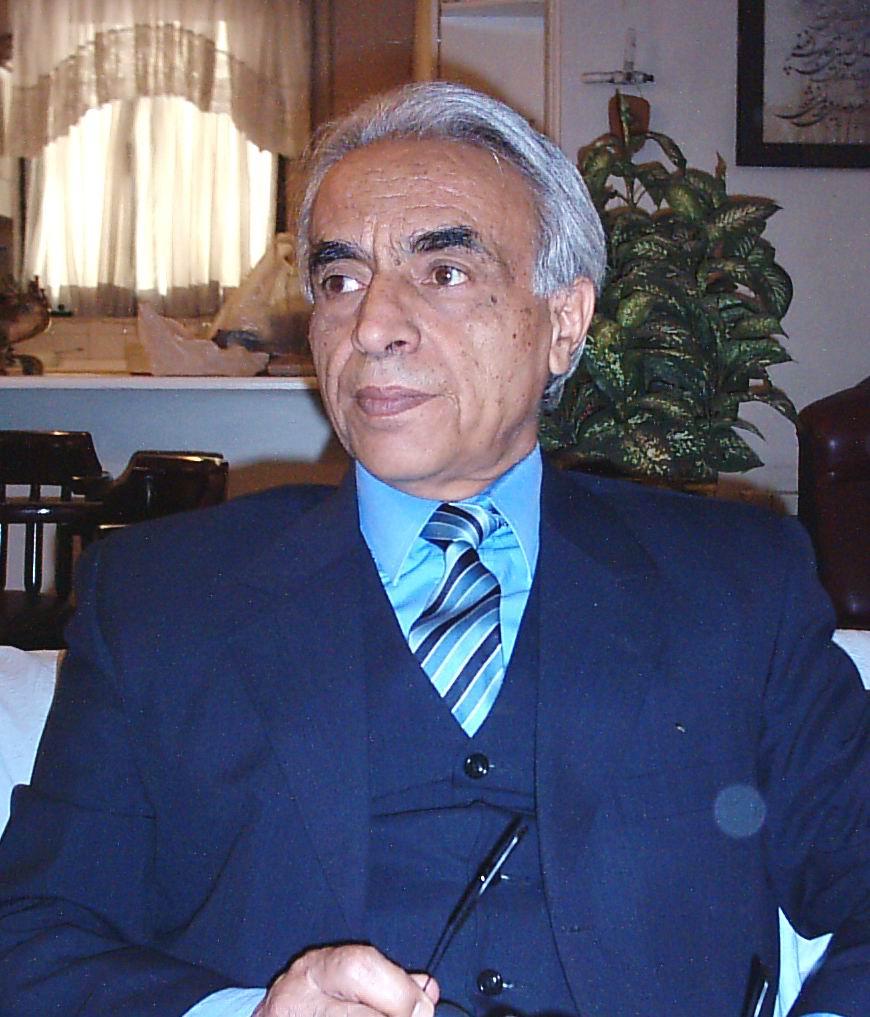
Profile
Rear admiral 2nd. ( Ret.) Iranian Navy.
Professor of International Law and Politics, International Relations and Environmental Law.
Former professor at the National Defense University, Tehran -Iran.
Former Dean of the Graduate School of Law and Political Science, Islamic Azad University ( Science and Research Branch ) Tehran-Iran.
Was Legal Adviser to the the Commander in Chief of the Iranian Navy and Iranian Foreign Ministry and Member of Iranian Delegation to the UN Third Law of the Sea Conference (UNCLOS III), and UN Preparatory Commission for the Law of the Sea Tribunal.
Has been involved in Iran-Iraq peace talks, and was a member of the Cease-fire Committee and the Legal Committee in charge of War Damage Assessment.
He was Legal Adviser and Member of Iranian Delegation to the International Civil Aviation Organization (ICAO) for the Airbus incident (Montreal, Canada 1988).
He has participated in various national and international conferences including the Workshop on Compensation for Oil Pollution Damage, organized by the Marine Emergency Mutual Aid Center (MEMAC), an organ of the Regional Organization for the Protection of the Marine Environment (ROPME), in Bahrain, 1994.
He has written extensively on various legal, political, strategic and environmental aspects of the Middle East , Persian Gulf.and the world. He is a winner of the 'Book of the Year Prize', Islamic Republic of Iran for his book titled :International Relations in Theory and Practice (1994).
He is also the winner of the first prize for research oriented to Iran-Iraq War for his book titled : Legal Dimensions of the Prospects for Peace Between Iran and Iraq,( 1999).
Medal of Knowledge for scholarly works before the revolution in 1974.
Dr. Kazemi is a graduate of The French Ecole du Commissariat de la Marine Nationale. Holds M.S. in Management Science from the United States Naval Post-Graduate School, Monterrey, California(1971). He also holds M.A., M.A.L.D., and PhD from the Fletcher School of Law and Diplomacy, Tufts University, Medford, Massachusetts.(1976-1979).
Professor Kazemi has been Legal Counsel representing the Islamic Republic of Iran's claim to the United Nations Compensation Commission (UNCC) for environmental damages caused by Iraqi aggression against Kuwait in 1991.The case was under consideration by the expert panels of the UNCC in Geneva-Switzerland.
The Following is a List of Books in Persian
By : Ali-Asghar Kazemi
1. Modern Diplomacy in an age of Revolution in International Relations ,Tehran: Institute for Political and International Studies(IPIS), 1985. Bibliography, Index.
2. International Crises Management, Tehran : Institute for Political and International Studies (IPIS) , 1986. Bib.,Index.
3. The Role of Power in Society and International Relations , Tehran : Ghomes Publisher, 1988 . Bib., Index.
4. Legal Dimensions of Iran's Sovereignty in the Persian Gulf. Tehran: Institute for Political and International Studies(IPIS), 1988, 1991, 1993.Bib.,Index.
5. Integration Theory in International Relations , Tehran: Ghomes Publisher, 1988. Bibliography, Index.
6. International Relations in Theory and Practice, Tehran: Ghomes Publisher, 1993, 1995,1998.Bibliography ,Index. ( Winner of the Book of the Year Prize, 1994)
7. The Crises of Modernity and Political Culture in Contemporary Iran, Tehran : Ghomes Publisher, 1996. Bibliography, Index.
( See PowerPoint short presentation of this book)
8. Ethics and Politics: Political Thoughts in Praxis , Tehran: Ghomes Publisher, 1996. Bibliography , Index.
9. Method and Insight in Politics, ( A Philosophical , Scientific and Methodological Approach) , Tehran: Institute for Political and International Studies
(IPIS), 1995. Bib.,Index.
10. Politimetrics: Quantitative Methods in Politics and International Relations, Tehran: IPIS. 1995. Bib. ,Index.
11. Legal Dimensions of the Prospects for Peace between Iran and Iraq, Tehran, Islamic Cultural Propagation Publishing Co. 1998. (First Prize Winner of the 8th Anniversary of the Iran-Iraq War. 2000) . Bib., Index.
12. Linkage politics and International Relations, Tehran, Ghomes Publishing Co., 1991, Bib., Index.
13. The Crisis Of Modern Society , Moral and Cultural Decline of Modernity, Tehran : Islamcpo Publishing Co. 1999. Bib., Index.
14. Public Policy and Political Management, Tehran : Islamcpo Publishing Co. 2000 .Bibliography , Index.
15. The Seven Pillars of Politics , Tehran: Islamcpo Publishing Co. 2000. Bib., Index.
16. Globalization of Culture and Politics, A Critical and Epistemological Analysis. Tehran : Ghoomes Publishing Co. 2001. pp.335 + Bib. + Index.
17. The End of Politics and the Last Myth : Critical Order in the Post-Political 21st Century. Tehran : Ghoomes Publishing Co. 2001.
13. The Crisis Of Modern Society , Moral and Cultural Decline of Modernity, Tehran : Islamcpo Publishing Co. 1999. Bib., Index.
14. Public Policy and Political Management, Tehran : Islamcpo Publishing Co. 2000 .Bibliography , Index.
15. The Seven Pillars of Politics , Tehran: Islamcpo Publishing Co. 2000. Bib., Index.
16. Globalization of Culture and Politics, A Critical and Epistemological Analysis. Tehran : Ghoomes Publishing Co. 2001. pp.335 + Bib. + Index.
17. The End of Politics and the Last Myth : Critical Order in the Post-Political 21st Century. Tehran : Ghoomes Publishing Co. 2001.
List of Selected Articles in Persian
The Following is a List of more recent Articles in Persian, published in Iranian Journals
1- "The United Nations Organization and the New World Order,"in : Iranian Journal of Strategic and Defense Studies , National Defense University, Tehran, 1999.
2- "Idealism and Realism in Foreign Policy," in Iranian Journal of Foreign Policy,No4(11),1998 3- "Conceptualization about Culture and Civilization," in Political and Economic Journal ( Ettela 'at) , No.141-142, 2000.Please refer to the "File"
4- "The Distorted Knowledge: Reflection on the 20th Century Political Thought," in Political and Economic Journal ( Ettela'at) No.133-134, 1998.
5-" Method and Insight in Political Theory," Political and Economic Journal ( Ettela'at) No. 121-122, 1998.
7- "A Journey to Tajikistan," Central Asia and the Caucasus Review, No. 16. 1996 , The Foreign Ministry of the Islamic Republic of Iran.
8- " A Critical Analysis of Political Methodology," Political and Economic Journal (Ettela'at) , No.113-114. 1996.
9-" Theory of Surplus Value in Cultural Exchange Among Nations," Political and Economic Journal (Ettela'at) No.99-100. 1995.
10- " The United Nations Organizations at the Threshold of the 21st Century," Iranian Journal of Foreign Policy. No.1( 14), 2000.
11- " Civil Consciousness and Civil Society," Collected Papers of the Seminar on Civil Society, Ministry of Culture ,Tehran, Iran. 1997.
12- " The End of Politics and the Last Myth : Critical Order in the World of 21st Century" Political and Economic Journal ( Ettela'at), No.161-162. Winter ,2001.
13- " Ethical Foundations of Republican State," Collected Papers of the Seminar on Republic.., Ministry of Culture , Tehran, Iran. 1998.
14-" Theory of Cultural Exchange and the Dialogue Between Civilizations," Collected Papers of the Seminar of The Dialogue of Civilizations, Ministry of Culture , Tehran , Iran.1999.
.15-"The Post-Political Condition".. in Political and Economic Journal ( Ettela'at), No. 163-164. Spring , 2001. . See File in Persian. . . . . . .
... . . . . . . . . .
Monographs and Articles in English
1-" Environmental Damage Assessment and Loss Valuation : Criteria and Techniques". 1998 . Prepared for the Environmental Claim of Iran Presented to the United Nations Compensation Commission UNCC. 1999. To see the new edition of the text click here to Download the File No.1.
2- "Legal Basis of Iraq's International Responsibility for Compensation, with Respect to Damage Caused to the Environment During its Aggression Against and Occupation of Kuwait.1990.-1991. Environmental Claim....1999. To see the text click here to download the File No.2.
3-"Environmental Setting of Iran Before and After the Persian Gulf War." Environmental Claim... 1999.New edition, Spring , 2001. To see the new edition of theText click here to download the File No.3.
4-"Aggression Related Damage to Iran's Environment and Natural Resources: The Case of
Iraq-Kuwait War of 1990-1991," Environmental Claim......1997. New Edition Spring 2001.. To see the Text click here todownload the File No.4.
5-Religion and Politics: In Search of Compatibility and Compromise - With Special Reference to Islam and Iran . ( Monograph ) 1986
6-" Peace Through Deception : The Iran-Iraq Correspondence," in Farhang Rajaee, Iranian Perspectives on the Iran-Iraq War.. University Press of Florida, 1997. ISBN 0-8130-1476-X.
http://www.upf.com/Spring1997/rajaee.html
7-"Development and the Issue of Transit: The Case of Land-locked States of Central Asia
and Caucasia " Iranian Journal of Foreign Policy, !994
8- Iran's Maritime Strategy in the Persian Gulf, Monograph ,1978.
9- Toward a Regional Sea Concept in a New Maritime Environment: Problems, Prospects and Implications for International Relations. PhD. Dissertation, The Fletcher School of law and Diplomacy, Medford , Massachussetts,1978.http://www.library.tufts.edu/ginn/los.htm
10-" The Issue of Neutrality in Contemporary International Armed Conflicts" .( Monograph-1987)
. . . . . . . . . . . .
. . . .
Monographs in Persian
1- The Law of War and Neutrality at Sea , Tehran, 1972, Revised in1982, pp. 350
2- The Sea in International Relations, Tehran, 1973, Revised in 1983, pp. 400.
3- War and International Trade at Sea., Tehran , 1973. Revised in 1982. pp. 360 .
4- The Law of Environment, Tehran, 1985.
5- Collected Papers and Short Articles [on Strategy, Persian Gulf War and International Relations ] (1979-1987), Three Volumes.
6- Collected Literary Works ( 1962-1976) Three Volumes.
7- International Law of the Sea, Collected Reports of the United Nations Third Law of the
Sea Conference, Ministry of Foreign Affairs ,Tehran , Iran.1974-1983.
Current Academic Function
Former Dean of the The Graduate School of Law and Political Science, Research and Science Campus of the Islamic Azad University, March 2003- September 2005. Currently professor of international Law and International Relations.
Books
Currently I have two books under publication by Ghoomes Publishing Co. in Tehran .The first is Globalization of Culture and politics . . . . . and the second is the most controversial work I have ever done , that is : The End of Politics and the Last Myth : Critical Order in the Post -Political 21st Century . Both books cover issues and problems of our time, viewed from a critical and epistemological perspective. I hope the first one will come out of print before the beginning of the next academic year in September 2001. The second book shall eventually come out not later than next December.
Currently , I am working on a new book related to an important subject of Public International Law. The writing of the main body of the book is already finished. I am in the process
of checking the content and citations. I hope to get it published during the next Iranian year.
The Following is a List of more recent Articles in Persian, published in Iranian Journals
1- "The United Nations Organization and the New World Order,"in : Iranian Journal of Strategic and Defense Studies , National Defense University, Tehran, 1999.
2- "Idealism and Realism in Foreign Policy," in Iranian Journal of Foreign Policy,No4(11),1998 3- "Conceptualization about Culture and Civilization," in Political and Economic Journal ( Ettela 'at) , No.141-142, 2000.Please refer to the "File"
4- "The Distorted Knowledge: Reflection on the 20th Century Political Thought," in Political and Economic Journal ( Ettela'at) No.133-134, 1998.
5-" Method and Insight in Political Theory," Political and Economic Journal ( Ettela'at) No. 121-122, 1998.
7- "A Journey to Tajikistan," Central Asia and the Caucasus Review, No. 16. 1996 , The Foreign Ministry of the Islamic Republic of Iran.
8- " A Critical Analysis of Political Methodology," Political and Economic Journal (Ettela'at) , No.113-114. 1996.
9-" Theory of Surplus Value in Cultural Exchange Among Nations," Political and Economic Journal (Ettela'at) No.99-100. 1995.
10- " The United Nations Organizations at the Threshold of the 21st Century," Iranian Journal of Foreign Policy. No.1( 14), 2000.
11- " Civil Consciousness and Civil Society," Collected Papers of the Seminar on Civil Society, Ministry of Culture ,Tehran, Iran. 1997.
12- " The End of Politics and the Last Myth : Critical Order in the World of 21st Century" Political and Economic Journal ( Ettela'at), No.161-162. Winter ,2001.
13- " Ethical Foundations of Republican State," Collected Papers of the Seminar on Republic.., Ministry of Culture , Tehran, Iran. 1998.
14-" Theory of Cultural Exchange and the Dialogue Between Civilizations," Collected Papers of the Seminar of The Dialogue of Civilizations, Ministry of Culture , Tehran , Iran.1999.
.15-"The Post-Political Condition".. in Political and Economic Journal ( Ettela'at), No. 163-164. Spring , 2001. . See File in Persian. . . . . . .
... . . . . . . . . .
List of papers and Articles in English & French:
By Subjects
- Crisis of Governance and new Generation of World Leaders
- The Global Context of Knowledge
- Shadow of a new Cold War
- The New Cold War (3)
- The New Cold War (2)
- The Battleground of a New Cold War(1)
- The Art of Living in Terror
- The Logic of War against Taliban and Talibanism
- Legality of ICC Action against Sudan President
- The Power of People plus Media
- Quantum Politics: New Methodological Perspective
- Dynamic versus Static Political Inquiry
- * The Rise of the Guardian State (1)
- *The Guardian State (2)
- * The Guardian State (3)
Iran-US Relations
- Prospects for Iran-US Negotiations
- Strategic Implications of Nobel Peace Prize for Obama
- US Democrats are Pushing Iran to the Corner
- Obama and a World of Expectations
- Iran-US Relations: From Enmity to Rivalry
- Barack Obama and Iran (After Election)
- Obama: On the Footsteps of the White House!
- Diplomacy and Subversion: Iran-US Dialogue
- Iran and U.S. Democrats
- US Sanctions against Academics
- Who's Dialogue? Iran-U.S. Hostile Flirt
- The Russian Connection
- Obama: Between Idealism and Realism
Middle East
- Crisis Proliferation in the Middle East
- Tunisia Crisis Turned into a Revolution
- Tunisia Crisis: A Call for Change in the Middle East
- Strategic Games in the Middle East
- Strategic Implications of the Gaza Conflict
- US Economic Crisis and the Middle East
- Hope for Middle East Peace
- Common Sense Strategy: US and the Middle East
- Mid-East Crisis Outcome...
- Message of the Preemptive Strike on Syria
- The Illusion of the "Greater Middle East"
- Middle East Crisis Consequences
- Iran and the Middle East Crisis( Q&A)
- The Fate of a Dictator
- Middle East New Turmoil...
- Bush's Agenda for Victory
- The Shadow of Terror over Iraq
- If Iraq Falls Apart:A Worst Case Scenario
- Strategic Implications of WMD Proliferation in the Middle East
- Security Dilemma and Threat perception in the Persian Gulf
- The Legality of U.S. Armed Intervention...
- Crisis Proliferation in the Middle East
- Tunisia Crisis Turned into a Revolution
- UN Security Council has the Duty to Liberate Libya...
- The Birth of a New Middle East
- The Wider Implications of Military Intervention in Libya
Nuclear Issues
- Iran at a Critical Crossroads
- Iran's Nuclear Crisis is not over
- Beyond Conventional Wisdom! The Logic of Iran's Defiance
- Iran Facing UN Sanctions
- Iran: The New Parliament and the Nuclear Case
- Iran: Deadline, Defiance and Denial
- Iran: Heading for UN Sanctions
- Nuclear Delusion and Public Jubilation!
- NIE Report and Iran's Nuclear Challenge
- Iran Testing West's Resolve on Nuclear Issue
- Iran's Nuclear Euphoria
Political and Social Issues
- Iran National Interests Victim of Blind Radicalism
- Iran's Elections 2009: The End of peaceful democratic Reforms
- Who should be the Next President in Iran
- Dilemma of Iran's Next President
- Iran: Corruption Scandal and Political Campaign
- Iran: Affluence amid Poverty
- Iran's Selective Elections
- Iran's Revolution and Military in Politics
- Iran: New Space Partner
- Iran: Political Impact of the Cold
- The Persian Hypocrisy(3)
- Politics and Hypocrisy (2)
- Politics and Hypocrisy (1)
- Pax Persica Remembered
- The Political Will of the Persian King
- The Third Generation of Iran's Revolution
- The Dream of "Pax Persica"
- Towards “Secular Nationalism” in Iran
- Iran: Islamization vs. Secularization
- Iran, Islam, and Secular Social Sciences
- Iran: Roots of the Post-Elections Crisis
- Rise of "New Nationalism" in Iran
- Struggling on two Fronts for Survival
- Iran's National Security and the Nuclear Gamble
- Iran's Post-Elections Political Environment
Foreign Policy and Strategy
- Iran Should Avoid Tension in the Persian Gulf
- The Fate of Iran’s Nuclear Issue in 2011
- Political Constraints of Iran’s Economic Reform
- Iran's Foreign Policy: The New Conservative Phase
- The Dilemma of Iran's Foreign Policy...
- Iran-U.S. Dialogue: Exhaustion of Diplomatic Remedies
- Iran's Nuclear Gamble:Boldness vs.Prudence
- Iran: The Moment of Truth
- Iran-U.S. Dialogue
- Strategy of Asymmetric War
- The Hidden Message of Iran's Letter to U.S. President
- A Letter to the "Great Satan"
- Iran's Quest for Regional Hegemony
- Iran: Preparing for “Soft War”
- Iran, Beating the War Drums!
Articles en Français
- L’Iran et le Défit Nucléaire
- La crise de Moyen-Orient...
- L'Iran: vers les sanctions de l'ONU
L'Art de Vivre en Terror - L'Illusion du " Nouveau Moyen-Orient"
- Conséquences de crise de Moyen-Orient
- L'Iran et la Crise du Moyen-Orient (Q&R)
- Nouvelles agitations en Moyen-Orient...
- Épreuve de l’ouest sur la question nucléaire d’Iran
- L’Iran et la Troisième Génération de la Révolution
- Quel dialogue? Irano- Américain Flirt Hostile
- Le Dialogue Irano Américain: Épuisement des remèdes diplomatiques
- Stratégie de guerre asymétriqueL'Iran: Le moment de la vérité
- La politique étrangère de l'Iran
- Le message caché de la lettre de l'Iran aux États-Unis
- Une Letter au "Grand Satan
- Euphorie Nucléaire de l'Iran...Le rêve de "Pax Persica"
Articles Sorted by Dates
- Iran: Islamization vs. Secularization
- Iran, Islam, and Secular Social Sciences
- Iran: Roots of the Post-Elections Crisis
- Rise of "New Nationalism" in Iran
- Strategic Implications of Nobel Peace Prize for Obama
- Struggling in two Fronts for Survival
- Iran's National Security and the Nuclear Gamble
- Iran's Post-Elections Political Environment
- Iran's Elections 2009: The End of peaceful democratic Reforms
- Who should be the Next President in Iran
- The Logic of War against Taliban and Talibanism
- Iran: Elections and Political Apathy
- Iran National Interests Victim of Blind Radicalism
- Prospects for Iran-US Negotiations
- Legality of ICC Action against Sudan President
- Strategic Games in the Middle East
- Dilemma of Iran's Next President
- US Democrats are Pushing Iran to the Corner
- Obama and a World of Expectations
- Strategic Implications of the Gaza Conflict
- Iran-US Relations: From Enmity to Rivalry
- Barack Obama and Iran (After Election)
- Crisis of Governance and new Generation of World Leaders
- US Economic Crisis and the Middle East
- Iran at a Critical Crossroads
- Obama: On the Footsteps of the White House!
- Iran: The New Parliament and the Nuclear Case
- Nuclear Delusion and Public Jubilation!
- Iran's Revolution and Military in Politics
- Iran: New Space Partner
- NIE Report and Iran's Nuclear Challenge
- The Global Context of Knowledge
- Iran: Political Impact of the Cold
- Diplomacy and Subversion: Iran-US Dialogue
- Common Sense Strategy: US and the Middle East
- Beyond Conventional Wisdom!
- The Logic of Iran's Defiance
Monographs and Articles in English
1-" Environmental Damage Assessment and Loss Valuation : Criteria and Techniques". 1998 . Prepared for the Environmental Claim of Iran Presented to the United Nations Compensation Commission UNCC. 1999. To see the new edition of the text click here to Download the File No.1.
2- "Legal Basis of Iraq's International Responsibility for Compensation, with Respect to Damage Caused to the Environment During its Aggression Against and Occupation of Kuwait.1990.-1991. Environmental Claim....1999. To see the text click here to download the File No.2.
3-"Environmental Setting of Iran Before and After the Persian Gulf War." Environmental Claim... 1999.New edition, Spring , 2001. To see the new edition of theText click here to download the File No.3.
4-"Aggression Related Damage to Iran's Environment and Natural Resources: The Case of
Iraq-Kuwait War of 1990-1991," Environmental Claim......1997. New Edition Spring 2001.. To see the Text click here todownload the File No.4.
5-Religion and Politics: In Search of Compatibility and Compromise - With Special Reference to Islam and Iran . ( Monograph ) 1986
6-" Peace Through Deception : The Iran-Iraq Correspondence," in Farhang Rajaee, Iranian Perspectives on the Iran-Iraq War.. University Press of Florida, 1997. ISBN 0-8130-1476-X.
http://www.upf.com/Spring1997/rajaee.html
7-"Development and the Issue of Transit: The Case of Land-locked States of Central Asia
and Caucasia " Iranian Journal of Foreign Policy, !994
8- Iran's Maritime Strategy in the Persian Gulf, Monograph ,1978.
9- Toward a Regional Sea Concept in a New Maritime Environment: Problems, Prospects and Implications for International Relations. PhD. Dissertation, The Fletcher School of law and Diplomacy, Medford , Massachussetts,1978.http://www.library.tufts.edu/ginn/los.htm
10-" The Issue of Neutrality in Contemporary International Armed Conflicts" .( Monograph-1987)
. . . . . . . . . . . .
. . . .
Monographs in Persian
1- The Law of War and Neutrality at Sea , Tehran, 1972, Revised in1982, pp. 350
2- The Sea in International Relations, Tehran, 1973, Revised in 1983, pp. 400.
3- War and International Trade at Sea., Tehran , 1973. Revised in 1982. pp. 360 .
4- The Law of Environment, Tehran, 1985.
5- Collected Papers and Short Articles [on Strategy, Persian Gulf War and International Relations ] (1979-1987), Three Volumes.
6- Collected Literary Works ( 1962-1976) Three Volumes.
7- International Law of the Sea, Collected Reports of the United Nations Third Law of the
Sea Conference, Ministry of Foreign Affairs ,Tehran , Iran.1974-1983.
Current Academic Function
Former Dean of the The Graduate School of Law and Political Science, Research and Science Campus of the Islamic Azad University, March 2003- September 2005. Currently professor of international Law and International Relations.
Books
Currently I have two books under publication by Ghoomes Publishing Co. in Tehran .The first is Globalization of Culture and politics . . . . . and the second is the most controversial work I have ever done , that is : The End of Politics and the Last Myth : Critical Order in the Post -Political 21st Century . Both books cover issues and problems of our time, viewed from a critical and epistemological perspective. I hope the first one will come out of print before the beginning of the next academic year in September 2001. The second book shall eventually come out not later than next December.
Currently , I am working on a new book related to an important subject of Public International Law. The writing of the main body of the book is already finished. I am in the process
of checking the content and citations. I hope to get it published during the next Iranian year.
Articles
I have published two articles recently , both dealing with the much
disputed theory of " The End of Politics . . . " In fact, they have been taken
from the aforementioned book : The End of Politics. . . Another article in the same series will be published very soon by the same Journal i.e. Political and Economic Ettela'at in Tehran -Iran. For more recent papers in English see this site Documents
Courses
Next fall I will be teaching the following courses at
PhD. Level :
- Methodology in Political Science
- The Law of War and Neutrality
- Crisis Management
- Political Institutions and Public Policy
Seminars
I have presented a paper in a Seminar organized by the Iranian Ministry of Foreign Affairs, School of International Relations on the occasion of the Centennial of Diplomatic Training in Iran. The paper is titled : " Diplomacy, Ethics and National Interests."
On March 4th.2003 I have delivered a speech on the subject " Strategic Ambiguity in
Confronting with Crisis of Iraq,"in The 13th International Conference on the Persian Gulf :
"The Persian Gulf in the Light of Global Changes & Regional Developments."
I have prepared a paper on "The Legality of U.S. Armed Interventions and Prospects for Peace and Democracy in the Middle East," which was presented to the Regional Security Conference this coming August 2003 in Athens ,Greece.(Text)
A second short paper was presented to Persian Gulf Security Group during the same conference in Athens: "The Future of the Persian Gulf Security in the Light of Recent U.S. Armed
Intervention in Iraq" (Text)
Miscellaneous
It was revealed very recently through the United Nations media network that a total amount of $ 17 million was allocated to the Governmental bodies of the Islamic Republic of Iran ( Including the Ministry of Jihad . . . ) , as a partial and peripheral amount claimed by this
latter for the purpose of undertaking a number of monitoring research
projects for the evaluation of damage caused to maritime and terrestrial
environment of Iran during and after the Iraqi aggression against Kuwait
in 1990-1991. For a detail account of the case , please refer to the appropriate files, in this Site.
It is worthwhile to note that nothing in this respect has been so far
brought to the attention of interested parties through official channels of the
Iranian Ministry of Foreign Affairs , in charge of pursuing the case
through the United Nations Compensation Commission ( UNCC ) in Geneva,
Switzerland. /
I have published two articles recently , both dealing with the much
disputed theory of " The End of Politics . . . " In fact, they have been taken
from the aforementioned book : The End of Politics. . . Another article in the same series will be published very soon by the same Journal i.e. Political and Economic Ettela'at in Tehran -Iran. For more recent papers in English see this site Documents
Courses
Next fall I will be teaching the following courses at
PhD. Level :
- Methodology in Political Science
- The Law of War and Neutrality
- Crisis Management
- Political Institutions and Public Policy
Seminars
I have presented a paper in a Seminar organized by the Iranian Ministry of Foreign Affairs, School of International Relations on the occasion of the Centennial of Diplomatic Training in Iran. The paper is titled : " Diplomacy, Ethics and National Interests."
On March 4th.2003 I have delivered a speech on the subject " Strategic Ambiguity in
Confronting with Crisis of Iraq,"in The 13th International Conference on the Persian Gulf :
"The Persian Gulf in the Light of Global Changes & Regional Developments."
I have prepared a paper on "The Legality of U.S. Armed Interventions and Prospects for Peace and Democracy in the Middle East," which was presented to the Regional Security Conference this coming August 2003 in Athens ,Greece.(Text)
A second short paper was presented to Persian Gulf Security Group during the same conference in Athens: "The Future of the Persian Gulf Security in the Light of Recent U.S. Armed
Intervention in Iraq" (Text)
Miscellaneous
It was revealed very recently through the United Nations media network that a total amount of $ 17 million was allocated to the Governmental bodies of the Islamic Republic of Iran ( Including the Ministry of Jihad . . . ) , as a partial and peripheral amount claimed by this
latter for the purpose of undertaking a number of monitoring research
projects for the evaluation of damage caused to maritime and terrestrial
environment of Iran during and after the Iraqi aggression against Kuwait
in 1990-1991. For a detail account of the case , please refer to the appropriate files, in this Site.
It is worthwhile to note that nothing in this respect has been so far
brought to the attention of interested parties through official channels of the
Iranian Ministry of Foreign Affairs , in charge of pursuing the case
through the United Nations Compensation Commission ( UNCC ) in Geneva,
Switzerland. /
Subscribe to:
Posts (Atom)